

29 Sept 2025
Initial criticism regarding work-life imbalance often masks the necessity of intense, focused effort in early career stages to build foundational infrastructure. Genuine balance and 'time wealth' are subsequently attained through strategic systemization, delegation, and the astute application of modern tools like AI and financial options.
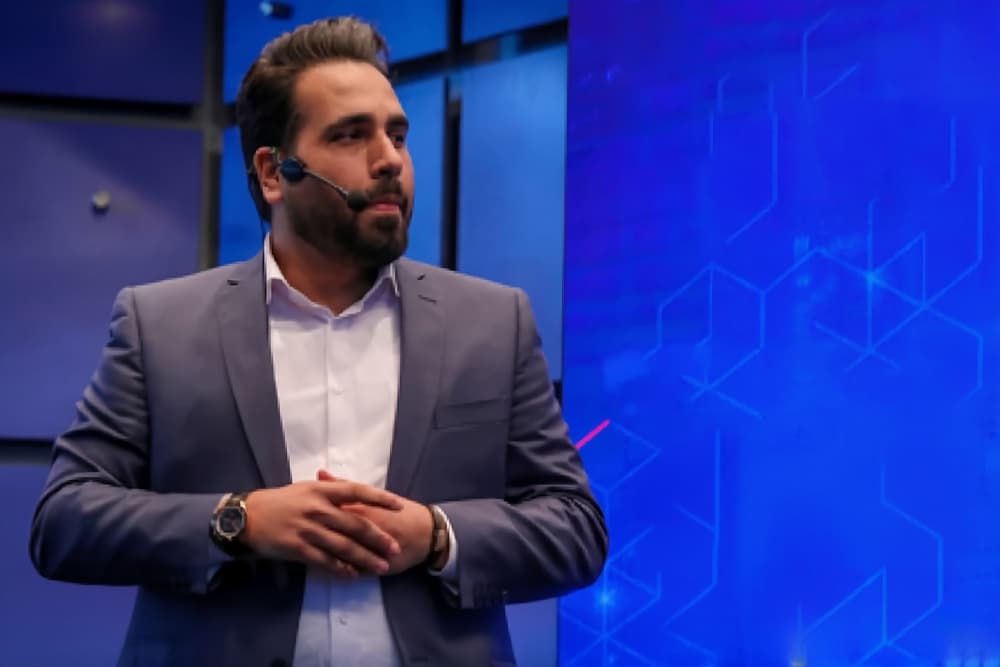
Individuals often face criticism for a work-centric lifestyle, initially causing self-doubt about achieving balance.
For those in their 20s and early 30s, prioritizing the development of foundational infrastructure and businesses is essential, necessitating significant sacrifice of personal time over seeking immediate work-life balance.
Many individuals who have accumulated wealth and built robust infrastructure still experience 'time poverty,' characterized by excessive busyness and an inability to enjoy their financial success.
The ultimate goal involves transitioning from 'time poverty' to 'time wealth,' which allows the utilization of financial resources to create time for personal pursuits and desired activities.
'Time poverty' among the affluent frequently results from inadequate systemization, delegation, productivity enhancement, and the failure to integrate modern tools.
A deliberate process of 'soft landing' into a more balanced life was achieved through the systemization of various businesses and the replacement of resistant individuals with efficient systems.
The extensive integration of AI in organizational processes and financial market analysis has streamlined operations, enabling automated asset allocation and enhancing overall efficiency.
The adoption of options trading for investments and client portfolios facilitates risk management, generates stable returns (e.g., 6-7% monthly), and significantly reduces the need for constant monitoring, thereby freeing up time.
Investment strategies emphasize US stock options and commodities (like gold), with a cautionary approach towards altcoins in cryptocurrency due to their high standard deviation.
A current balanced lifestyle, even while managing multiple businesses, is directly attributed to initial sacrifices and the subsequent successful implementation of systemization.
Life is too short for perpetual imbalance; however, premature pursuit of balance impedes essential foundation-building, potentially leading to significant challenges later in life.
True time wealth is achieved by strategically leveraging financial resources, systemizing operations, and delegating tasks, thereby freeing up time for a balanced life.
| Phase | Goal | Characteristics | Key_Actions |
|---|---|---|---|
| Early Career (20-32 years) | Build Foundation & Infrastructure | Work-centric, intense focus, perceived imbalance, sacrifice of personal time | Prioritize work, avoid seeking immediate balance, establish systems |
| Post-Infrastructure | Achieve 'Time Wealth' | Balanced life, enjoyment of wealth, freedom to pursue personal interests | Systemize, delegate, leverage AI and strategic financial tools |
| Pitfall: 'Time Poverty' | Avoid This | Wealthy but constantly busy, unable to enjoy life, excessive phone engagement | Failure in systemization, delegation, productivity, and technology adoption |
| Key Enablers | Transition to Time Wealth | Strategic tools and methods for efficiency and freedom | Implement AI for automation, utilize options trading for passive income and risk management |