

3 Oct 2025
The speaker shares recent health struggles, including catching a severe cold with Kourosh, which impacted their ability to pursue creative work and personal projects. This experience, alongside a deep dive into historical and modern beauty standards, prompts a reflection on societal pressures versus personal well-being and authenticity.
The speaker welcomes listeners to the Farah Bakhsh podcast, expressing gratitude for their presence and wishing them a victorious Nowruz and Happy New Year.
The speaker and Kourosh experienced very busy and hectic weeks, leading to neglect of health routines like proper sleep, which resulted in the speaker catching a cold and subsequently passing it to Kourosh. Kourosh's white blood cell issues make colds particularly severe for him, causing serious injuries or prolonged illness.
Both the speaker and Kourosh are recovering well, with the speaker sipping Super Matcha Green Tea from the Rishi brand to regain her voice for recording the episode.
Podcast cuts are common even for experienced one-person podcasters due to the need for breathing, swallowing, and thinking during long talks, making unedited podcasts impractical. Positive listener feedback, particularly encouraging relaxation, significantly reduced the speaker's stress, fostering a more comfortable, conversational style.
Due to illness, the speaker could not finish two books: 'The Picture of Dorian Gray' by Oscar Wilde and 'The Artist's Way' (referred to as 'Rite Act').
The speaker chose 'The Picture of Dorian Gray' based on comments and found its completed version, which includes previously censored parts, to have a very long introduction detailing the author's struggles. Its dramatic writing style, though beautiful, made it difficult to summarize conversationally, and the book's core idea is that every emotional portrait reflects the artist, not the subject.
The speaker recommends 'The Artist's Way' for those seeking creative impulse, highlighting its message that true art is seen and used only when creators overcome mental blocks and fears of showing their work to the world.
During university, the speaker was addicted to reading famous books like 'Blindness,' '100 Years of Solitude,' 'Anna Karenina,' and 'The Grapes of Wrath,' regretting never having read 'The Picture of Dorian Gray' sooner.
A recent event where the speaker met listeners in person was a career highlight, providing immense energy and an indescribably beautiful feeling, deeply appreciating the presence of attendees, Kourosh, and Iman.
A monthly vlog was left unfinished due to the speaker's cold symptoms starting on Eid eve, leading to significant stress for both the speaker and Kourosh regarding upcoming travel and postponed events.
To overcome stress and illness quickly, the speaker resumed yoga and healthy eating habits as soon as she felt a little better.
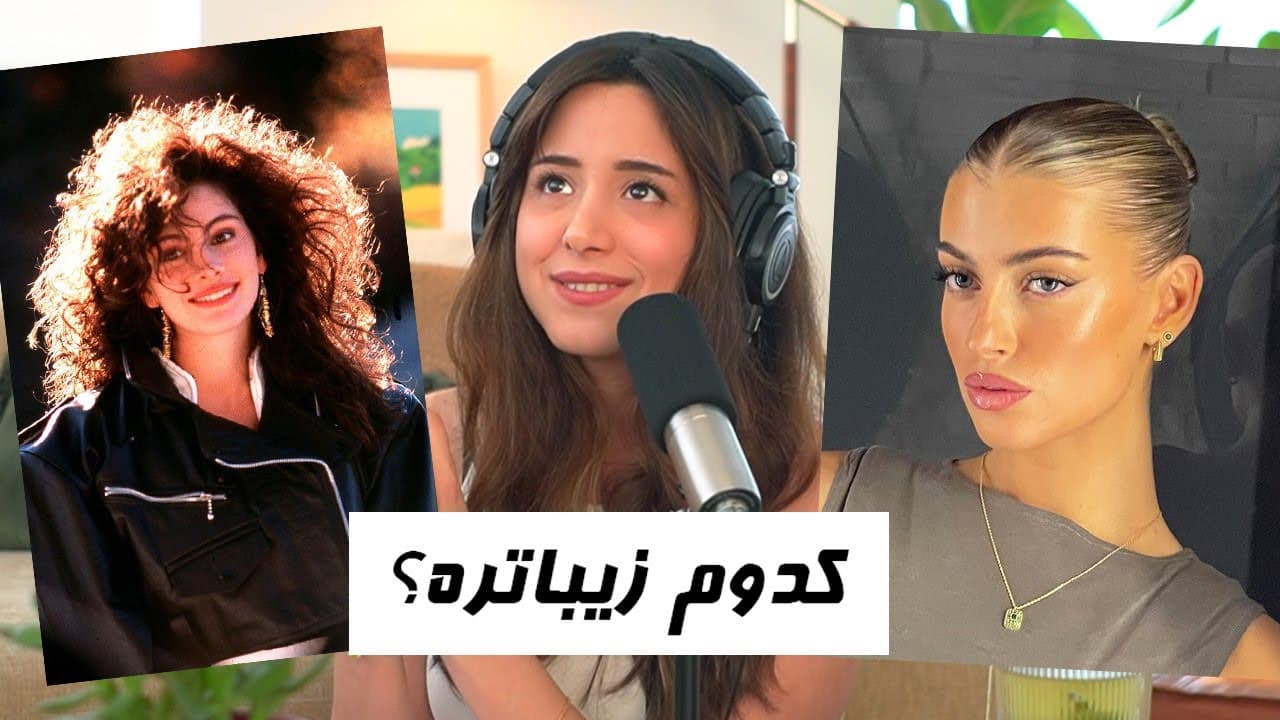
A TikTok post featuring early 2000s actresses, models, and singers with the caption 'What was in the air back then when they were so much prettier?' introduced the concept of 'beauty standards' to the speaker, prompting further research.
Beauty standards are cultural and social definitions of ideal attractiveness concerning body, face, skin color, and other attributes, used to measure a person's appeal.
The speaker finds the concept of a single 'beauty standard' for humans ridiculous, as beauty is subjective, varies immensely across individuals, tastes, cultures, and criteria, making a universal definition strange and problematic.
Beauty standards have always existed throughout history: Marie Antoinette's visible hand veins led people to paint veins on their hands, Heian-period Japan practiced 'Ohaguro' (blackening teeth) as a sign of beauty and maturity, Queen Elizabeth I inspired pale-white faces, and Chinese women endured painful foot-binding for smaller feet, seen as desirable for marriage.
Being overly influenced by beauty standards can lead to a cycle of constant self-alteration in pursuit of an unattainable 'standard,' resulting in feelings of inadequacy and significant psychological harm, particularly for younger individuals, causing them to lose their sense of self.
Beauty trends are constantly changing, as seen in evolving hairstyles and eyebrow preferences over the decades, making it impossible and financially burdensome for individuals to continually follow them.
Individuals should maintain and enjoy what they like about themselves, drawing inspiration from trends without psychological, financial, or intellectual burden, as peace comes from within.
The speaker personally appreciates curly hair for its volume and naturalness, under-eye bags (if not medically indicative of health issues) for their natural and cute appearance, and the physical changes of aging as a beautiful sign of wisdom and lived experience. Body hair on women, currently stigmatized, is also seen as a natural and potentially fashionable feature.
Instead of focusing on traditional 'beauty standards,' individuals should prioritize cleanliness (clean skin, hair, clothes), health (addressing issues like dark circles with specialists instead of concealing them, and avoiding unhealthy weight practices), and being their true, unique selves.
Embracing unique features, regardless of others' opinions or fleeting trends, fosters self-confidence and provides good energy. When individuals feel good about themselves and their unique being, they can better convey this positive feeling to others, contributing to a more peaceful and beautiful world.
Embracing one's unique features and finding beauty in authenticity is more vital than adhering to fleeting societal beauty standards.
| KeyAspect | Detail | SpeakerPerspective |
|---|---|---|
| Definition of Beauty Standards | Cultural and social definitions of ideal attractiveness (body, face, skin color). | Problematic and subjective; a 'single word' for human beauty is ridiculous. |
| Historical Examples | Marie Antoinette's veins, Heian Japan's blackened teeth, Queen Elizabeth I's pale face, Chinese foot binding. | Standards have always existed, often leading to extreme and harmful practices. |
| Psychological Impact | Leads to constant self-alteration, feelings of inadequacy, and loss of self. | Very wrong, especially for younger people, perpetuating an unhealthy pursuit. |
| Nature of Trends | Beauty trends are constantly changing (e.g., hairstyles, eyebrow thickness). | Impossible and financially burdensome to follow, offering no lasting peace or beauty. |
| Proposed 'New' Standards | Cleanliness, health, being one's true self, appreciating unique features. | These foster self-confidence, well-being, and contribute to a more peaceful world. |
| Personal Aesthetic Preferences | Curly hair, under-eye bags (non-medical), aging, body hair on women. | These natural features possess inherent beauty and uniqueness that should be celebrated. |