
19 Oct 2025
This text critically examines cultural perceptions of figures like Bill Clinton, attributing his "first black president" label to celebrated degeneracy rather than policy. It also delves into the complex issues of free speech, censorship experienced by conservative creators in a "female economy," and a personal, pro-life perspective on abortion, advocating for foundational moral values over direct legal battles.
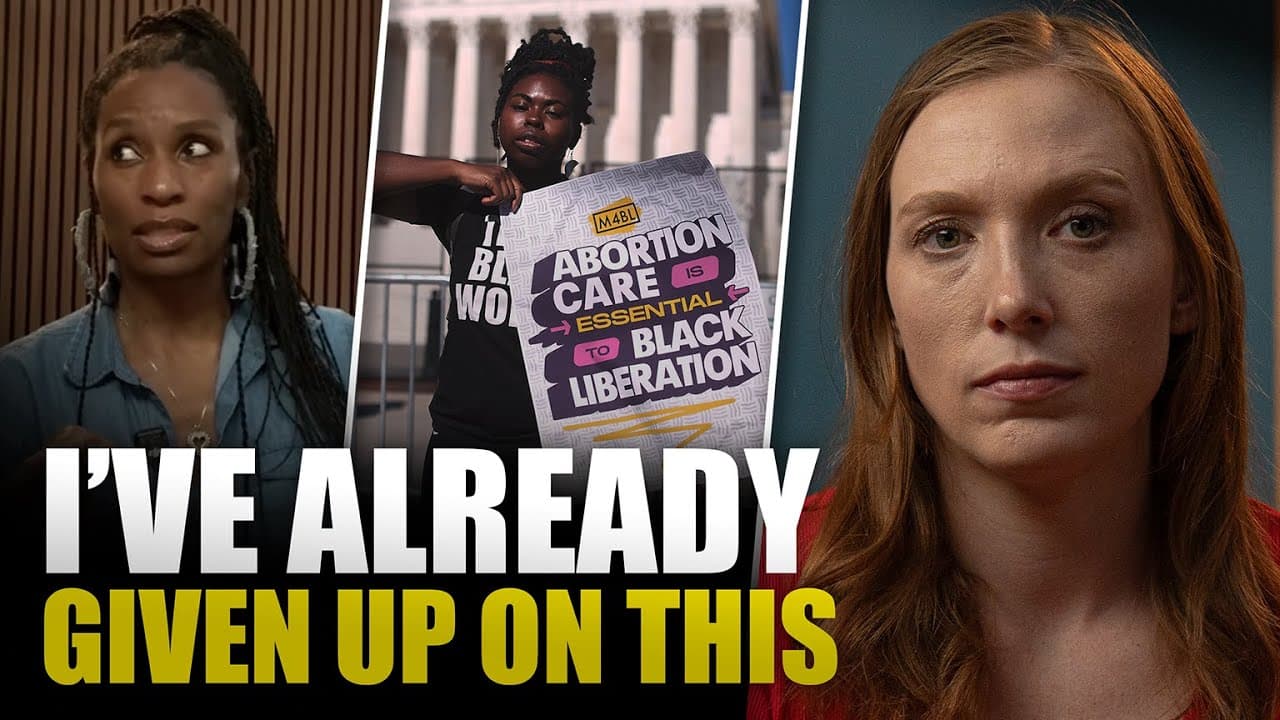
Bill Clinton was perceived as the "first black president" by some within the black community due to his perceived degeneracy, such as playing the saxophone, smoking weed, and being involved in a fellatio scandal, rather than for substantial policy achievements like the 1994 Crime Bill, which was later criticized despite initial celebrations.
Promiscuity and degeneracy are widely celebrated across the board, contributing to the embracing of figures like Bill Clinton for their perceived transgressions.
The speaker holds a steadfast pro-life stance, informed by being a product of rape, and recounts a conflict with a friend who had multiple abortions, advocating against repeated abortions due to irresponsibility.
The speaker underwent a vacuum aspiration abortion at seven weeks due to poverty, an experience that haunted her after realizing, during a later pregnancy's six-week ultrasound, that a fetus at that stage clearly has a visible heartbeat, contradicting the "clump of cells" description given by her abortion doctor.
In 2023, the speaker faced severe censorship, including being put on a government watchlist, demonetized on YouTube, and having multiple social media accounts deleted for discussing men's issues, which led to the shutdown of her show and the loss of three years of work.
In response to censorship, the speaker created "The Audacity Network" app to provide a platform for free speech, offering access to old content and community participation in new projects for a monthly subscription, aiming to build a network that resists silencing.
The "female economy" is characterized by women making 80% of consumer buying decisions, allowing them to control what content is funded and subsequently what ideas are expressed online, leading to an environment where platforms cater to a majority female audience and conservative creators face significant challenges.
The abortion issue is viewed as a "sinking ship" in political discourse, with attempts to legally restrict it deemed futile due to women's significant voting power and ability to seek abortions in other states; thus, the speaker advocates for focusing on cultural shifts, promoting morals and values to prevent the need for abortion in the first place.
In the female economy, women make 80% of consumer buying decisions and control what gets said by controlling what gets funded, which impacts the free flow of ideas.
| Insight | Summary |
|---|---|
| Bill Clinton's Public Image | Bill Clinton's popularity and 'first black president' label stemmed from perceived degeneracy, not policy; the 1994 Crime Bill was initially celebrated but later criticized in hindsight. |
| Prevalence of Degeneracy | Promiscuity and degeneracy are widely celebrated across society, influencing public figures' acceptance. |
| Personal Abortion Stance | The speaker is staunchly pro-life, reflecting on a past abortion due to poverty and the emotional impact of realizing an early fetal heartbeat contradicts the 'clump of cells' narrative. |
| Experience with Censorship | The speaker faced government watchlisting, demonetization, and deletion of social media content for discussing men's issues, highlighting a lack of true free speech online. |
| The 'Female Economy' | Women's 80% share of consumer buying decisions allows them to control content funding, thereby influencing online speech and disadvantaging conservative creators. |
| Abortion Debate Strategy | Direct legal battles over abortion are seen as futile; the focus should shift to promoting cultural morals and values to prevent the desire for abortions proactively. |
| Free Speech Solution | The Audacity Network app was created to provide a platform for uncensored speech and community engagement, offering an alternative to mainstream platforms. |