

1 Nov 2025
This tutorial provides a comprehensive guide to manual gear shifting, covering mechanics, starting, and downshifting techniques for various driving situations. Key topics include understanding half-clutch, accelerating efficiently, managing heavy gears, and navigating uphill starts, with emphasis on practical application.
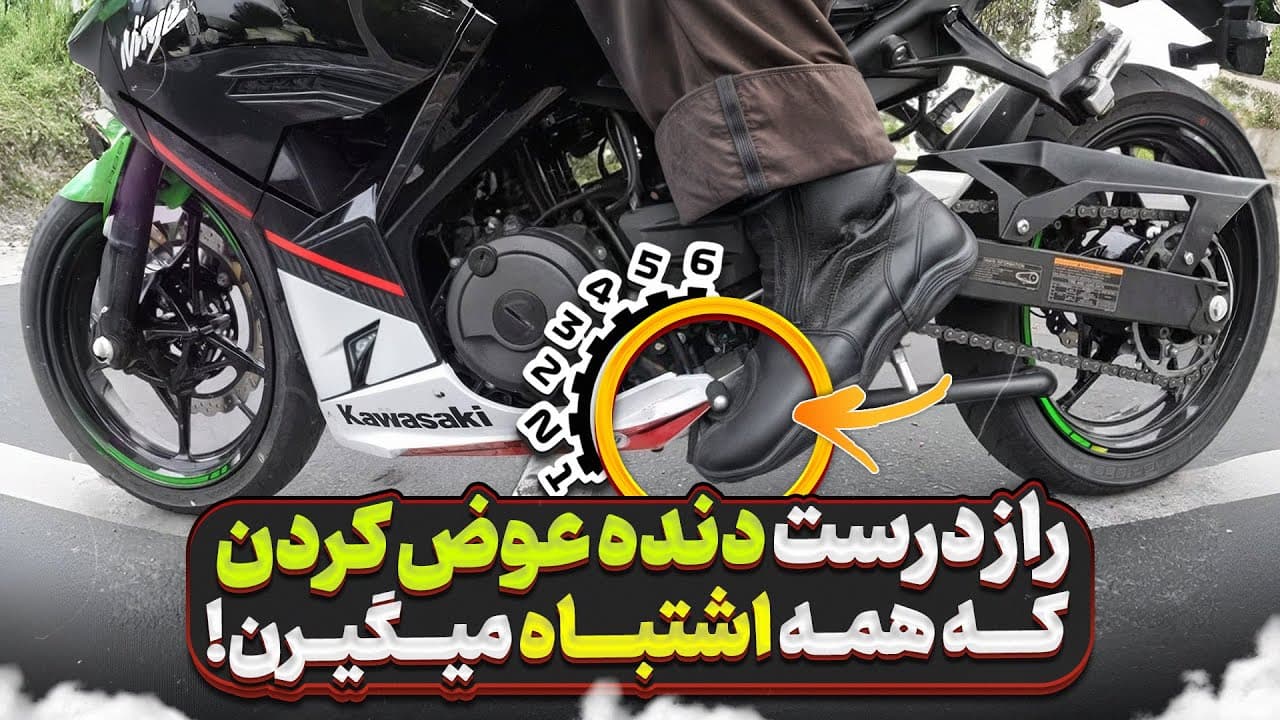
Modern engines typically feature a single gear lever, differing from older designs that used separate front and rear levers, and commonly have five or six forward gears plus reverse.
Changing gears involves depressing the clutch pedal, which momentarily disengages the engine from the transmission, allowing for the selection of a different gear before re-engaging the clutch.
Vehicles should typically be started in first gear, although starting in second gear is possible but requires significantly more gas and places greater strain on the engine.
The half-clutch is defined as the precise distance between fully disengaging the clutch and the engine beginning to move the vehicle; mastering this point allows the car to move without applying gas.
To upshift, rev the engine, depress the clutch, swiftly shift to the next higher gear, and simultaneously release the clutch smoothly while adding gas to maintain momentum.
Downshifting involves depressing the clutch, reducing the throttle, shifting to a lower gear, and then gradually releasing the clutch while adjusting throttle to match the engine speed for a seamless transition.
Utilize lower (heavier) gears (1, 2, 3) in low-speed or heavy-load conditions to prevent the engine from overspeeding and to reduce the need for excessive braking.
To achieve fast acceleration, execute the clutch engagement, gear change, and simultaneous gas application and clutch release in a very quick and synchronized manner, requiring practice for smooth execution.
When starting uphill, depress the clutch, engage first gear, slowly release the clutch to the half-clutch point until a slight rattling sound indicates engine engagement, then apply more gas while gradually releasing the clutch, holding it slightly longer on steeper slopes.
All detailed lessons on gear shifting, half-clutch techniques, reversing, and quick gear changes are available in the 'Driving Education from Zero to 1' playlist on the dedicated channel.
Learning the exact distance where the clutch is released and the engine begins to move is fundamental for smooth vehicle operation.
| Key Aspect | Insight/Guidance |
|---|---|
| Tutorial Objective | To provide a comprehensive 'zero episode' on gear shifting for all skill levels, consolidating previous scattered lessons. |
| Modern Gear Levers | New generation engines feature a single gear lever, typically with 5-6 forward gears plus reverse. |
| Vehicle Start Method | Initiate movement in first gear; starting in second gear is harder and demands more throttle. |
| Mastering Half-Clutch | Learn the precise point where the clutch engages the engine without gas, enabling movement. |
| Efficient Upshifting | Rev the engine, engage clutch, shift quickly to higher gear, and simultaneously release clutch while applying gas. |
| Smooth Downshifting | Depress clutch, reduce throttle, shift to lower gear, and carefully release clutch while preparing throttle. |
| Heavy Gear Application | Utilize lower gears (1-3) for low-speed conditions or heavy loads to prevent engine overspeeding. |
| Rapid Acceleration Technique | Practice synchronized movements of clutch engagement, quick gear change, and immediate throttle application for swift speed increases. |
| Uphill Start Strategy | Engage first gear, slowly release clutch to the half-clutch point until engine rattles, then apply gas while gradually releasing the clutch, holding longer on steeper slopes. |
| Additional Resources | Detailed tutorials on gear shifting, half-clutch, and reversing are available in the 'Driving Education from Zero to 1' playlist. |