
29 Sept 2025
Systematic power outages severely disrupt nearly all sectors of society and the economy, exposing a profound lack of accountability and strategic planning within the ruling system. These frequent disruptions not only cripple businesses and essential services but also erode public trust and exacerbate socio-economic inequalities across the country.

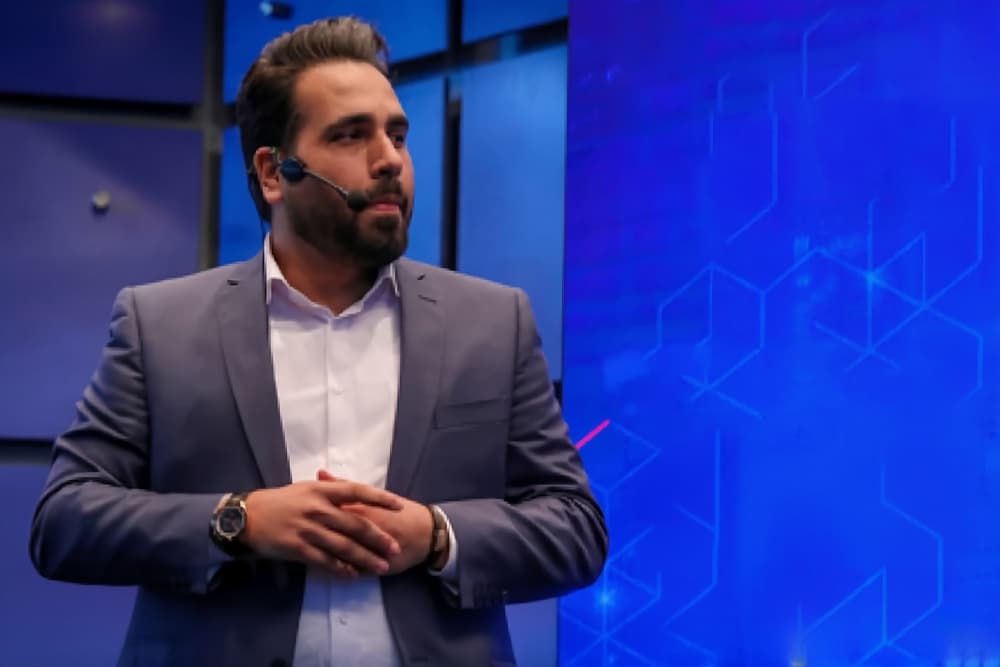
Saeed Souzanger, a frequent guest, joins the discussion to address the significant issue of power outages.
Officials are criticized for their inability to manage power outages systematically, often failing to adhere to their own announced schedules, indicating a loss of even 'order in sabotage'.
Power outages profoundly impact all members of society, from plumbers to the startup ecosystem, disrupting daily life and economic activities.
The digital economy, including startups, fintech, and data centers, suffers immensely as it cannot function without stable electricity, leading to significant financial losses and hindered growth. Data centers face prolonged recovery times even with backup systems, which are increasingly insufficient due to the frequency and duration of outages.
A core problem within the ruling system is that 'everyone is responsible while no one is responsible,' creating a pervasive lack of accountability where officials consistently deflect blame.
Businesses face immense financial pressure to maintain service stability, often requiring investments in multiple, independent backup systems across different locations, which dramatically increases operational costs without corresponding revenue.
Frequent power outages compromise societal security by disrupting the integrity, confidentiality, and availability of essential services and data, making it impossible for citizens to access basic needs or vital information.
The reliability of public services has significantly declined, leading to a loss of public trust and a sense of regression from a 'golden era' of improved quality, speed, and reduced costs in services.
Decades of underinvestment in energy infrastructure and maintenance, coupled with political incompetence and sanctions, have led to a crumbling system that requires years of effort and substantial costs to stabilize.
Power outage durations are disproportionately distributed, with some regions like Khuzestan experiencing longer and more severe cuts in extreme heat, despite being major energy producers, which officials deny but field observations confirm.
Officials are perceived as dishonest regarding energy consumption, blaming citizens for excessive use while implementing domestic production policies that promote energy-inefficient products and prioritize industrial uses over residential needs.
Government initiatives, such as replacing gasoline motorcycles with electric ones, are poorly planned and unsustainable, lacking the necessary charging infrastructure and failing to address existing power deficits.
The procurement of public transport vehicles, specifically new buses, is criticized for being based on non-expert decisions, with some 'electric' buses still requiring fossil fuels for basic functions like heating and cooling.
The government's approach to critical issues resembles a 'trial and error' method, even for essential services like hospitals where operations are endangered by power cuts, indicating a lack of basic preparedness and foresight.
The cumulative effect of inflation, taxes, and service disruptions places severe economic hardship on citizens, many of whom struggle to afford basic necessities.
Power outages jeopardize mental and physical security, data security, and the assets of user-oriented companies, causing massive disruptions across numerous economic and security dimensions.
Government promises of fostering 'unicorns' in the digital economy remain unfulfilled, as regulatory interference and the unstable environment stifle the growth of online businesses and startups.
Bankrupt telecommunication operators like Rightel are controversially granted lucrative frequency allocations for technologies like 5G, with plans to generate income from illegal frequency renting, further highlighting mismanagement.
The public is increasingly frustrated with the situation, and there are concerns about censorship of public comments and criticisms regarding these issues.
Ministers are often seen as figureheads who must follow directives from higher institutions, hindering their ability to effectively address problems and implement genuine solutions.
This power outage is not just a few light bulbs going out; a service is lost that the service owner expects first, then it reaches the user.
| Issue | Description | Impact |
|---|---|---|
| Frequent Power Outages | Unscheduled and prolonged electricity cuts, often exceeding announced durations, indicating official mismanagement. | Widespread disruption to daily life, economic activities, and essential services (e.g., medical operations, banking). Increased operational costs for businesses to maintain stability. |
| Lack of Accountability | A systemic issue where officials deflect responsibility for problems, leading to a slow and unresponsive ruling system. | Perpetuation of problems, erosion of public trust, and no clear ownership for addressing critical issues, preventing effective governance. |
| Economic Strain on Businesses | Businesses, especially in the digital economy and data centers, incur massive costs for backup power, which often fails to provide continuous service. | Hindered growth, significant financial losses for startups, closure of online businesses, and increased operational overhead, threatening the entire digital economy ecosystem. |
| Compromised Security | Power disruptions jeopardize the integrity, confidentiality, and availability of critical services and data, leading to a decline in societal security. | Public access to essential services and information is severely limited, leading to increased theft, social insecurity, and potential data loss for businesses and individuals. |
| Misguided Policies and Statements | Government policies promoting energy-inefficient products and blaming citizens for consumption, alongside dishonest official statements regarding infrastructure and resource management. | Promotion of inefficient practices, misallocation of resources (e.g., water-intensive crops in dry regions), and an unjust burden on citizens for systemic failures. |
| Regional Discrimination | Disparate distribution of power outages, with energy-producing, high-temperature regions experiencing longer cuts compared to others, despite official denials. | Exacerbates inequality and injustice among regions, fostering resentment and distrust in government claims of equitable distribution. |
| Deteriorating Infrastructure | Decades of underinvestment, political incompetence, and sanctions have led to a crumbling energy and transport infrastructure, requiring extensive recovery efforts. | Years of effort and immense costs are required for recovery. Ineffective implementation of modern solutions (e.g., electric vehicles lacking charging infrastructure) due to underlying weaknesses. |
| Ineffective Ministerial Action | Ministers are perceived as constrained by institutional directives, limiting their ability to implement effective solutions or challenge flawed policies. | Stifled innovation, lack of progress on critical issues, and a perpetuation of systemic problems as ministers cannot act independently for the public good. |