

29 Sept 2025
Microsoft has historically struggled with a myriad of hardware products, leading to numerous notable failures despite its strong foundation in software. These extensive product shortcomings are often attributed to flawed market understanding, inconsistent user experience, and a lack of sustained development for promising innovations.
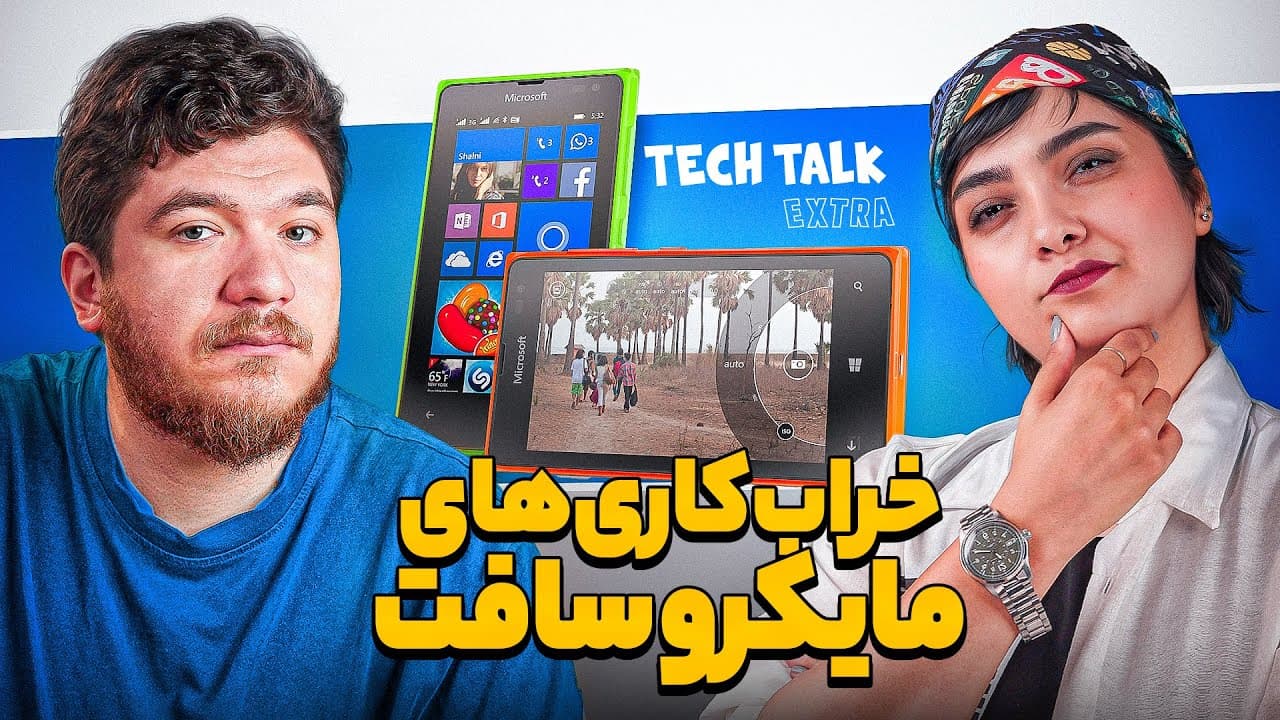
Microsoft exhibits strength in software development, creating powerful yet often buggy systems like Windows, but consistently faces disastrous failures in the hardware sector, with only a few exceptions.
Windows Phone, though primarily a software platform, is considered a hardware failure due to Microsoft's strict insistence on specific hardware integrations, such as dedicated search, back, and camera buttons, along with prescribed camera and display specifications. Google's deliberate lack of official app development for YouTube, Maps, and Gmail, including actively blocking Microsoft's own YouTube app via API, significantly contributed to Windows Phone's demise.
The Surface Earbuds, introduced in 2019, featured an aesthetically unappealing circular design and an uncomfortable form factor. They received no updates for years and remained expensive at approximately $400, ultimately failing due to a lack of clear purpose and ecosystem integration.
The Microsoft Band, a smart wearable, was discontinued due to its poor performance and reception.
Windows operating systems are plagued by severe bugs and user interface inconsistencies, including redundant functionalities between the Control Panel and Settings, and outdated interfaces like Disk Management that still resemble Windows XP.
The KIN phones, launched as a $1 billion project over two years (2010-2011), featured an innovative mobile operating system with attractive animations and card-like application flows. However, they were canceled by Verizon due to abysmal sales, primarily attributed to Microsoft's poor understanding of user needs.
The Zune player (2006-2011) was Microsoft's competitor to the iPod, boasting high build quality with aluminum and an OLED display. It failed to effectively compete and, despite then-CEO Steve Ballmer's personal enforcement of its use, the device was discontinued and later transitioned into the largely unsuccessful Groove Music streaming service.
The Surface RT was a poorly received device running Windows 8, an unpopular operating system. Similarly, Windows 10X, designed for devices like the Surface Neo, also failed to gain traction and was abandoned.
The Surface Hub 2X, an innovative digital whiteboard developed for organizational use, was another failed project despite reaching some businesses, as it ultimately disappeared from public discourse.
HoloLens, an advanced and innovative VR/AR system, was discontinued approximately two years ago. Its failure was due to prohibitive costs, expensive hardware requirements, the need for a dedicated room setup, and insufficient market adoption.
Microsoft introduced a Direct Smart Watch at CES in 2003, featuring wireless charging and a monthly subscription service. The device was discontinued, partly because the widespread smartphone ecosystem necessary for its integration did not exist at the time.
Kinect (2010-2017), a motion-sensing device for Xbox, aimed to compete with Nintendo's Wii. Despite its innovative concept and initial popularity, it was discontinued, partly due to Microsoft's controversial decisions like bundling it with the Xbox One and mandating always-on internet connectivity.
Microsoft Bob, a cartoon-themed graphical user interface for Windows 3.1x and Windows 95, failed within ten months of its 1995 release due to its childish design and a misidentification of its target audience.
Cortana, Microsoft's voice assistant designed to compete with Siri, suffered from poor implementation within Windows and ultimately failed to gain significant user adoption, leading to its replacement by Copilot.
MSN Messenger, a highly popular messaging service from 1999 that competed with Yahoo Messenger and garnered millions of users, eventually suffered a disastrous decline due to its integration with Skype and later Microsoft Teams.
Microsoft Teams is widely criticized as a buggy, inconsistent, and user-unfriendly application. It has undergone multiple problematic redesigns, including transitions between Electron-based and native Windows versions, failing to provide a seamless or intuitive experience, especially for business users.
Internet Explorer became problematic after version 7 due to an excessive proliferation of toolbars and general clutter, leading to a degraded user experience.
Microsoft's widespread integration of Copilot is perceived as excessive and 'spammy,' with the AI assistant appearing ubiquitously across Windows and Microsoft applications, even featuring a dedicated button, despite its reliance on OpenAI's APIs.
The Xbox 360's 'Red Ring of Death' was a major hardware failure that cost Microsoft over $1 billion to address.
Microsoft's early foldable devices, such as the Surface Duo, featured innovative hinge designs. However, Microsoft failed to consistently develop and sustain these products, losing its pioneering lead to competitors like Samsung and Apple, while the Surface line generally faces issues like battery degradation and screen yellowing.
Microsoft is a company that frequently initiates projects with good ideas but fails to sustain their development, resulting in numerous product discontinuations and ultimate failures.
| Product | Category | Key Failure/Insight |
|---|---|---|
| Windows Phone | Mobile OS/Hardware | Google's app boycott and lack of ecosystem development significantly undermined its potential. |
| Surface Earbuds | Audio Hardware | Ugly design, discomfort, high price, lack of updates, and unclear purpose led to its failure. |
| KIN Phones (KIN 1 & KIN 2) | Mobile Hardware/OS | $1 billion project with innovative OS, but poor sales and a fundamental misunderstanding of user needs led to cancellation. |
| Zune Player | Portable Media Player | High build quality but failed to compete against Apple's iPod, eventually transforming into an unsuccessful streaming service. |
| HoloLens | Augmented Reality | Advanced and innovative, but its high cost, expensive hardware requirements, and complex setup limited market adoption and led to discontinuation. |
| Direct Smart Watch (2003) | Wearable Hardware | Pioneering wireless charging and subscription model, but failed due to the absence of a supporting smartphone ecosystem at the time. |
| Kinect | Gaming Peripheral | Innovative motion-sensing, but bundled mandates, always-on internet requirements, and unbundling decisions led to its discontinuation. |
| Microsoft Bob | Software Interface | Childish and ill-conceived interface, quickly discontinued due to a misidentified target audience. |
| Cortana | Voice Assistant | Poor implementation and inability to compete with rivals led to its replacement by Copilot. |
| MSN Messenger / Teams | Communication Software | Disastrous migration from a popular messenger to Skype, then to the buggy and user-unfriendly Microsoft Teams. |
| Surface Duo/Foldables | Foldable Hardware | Early innovation with good hinges, but a failure to sustain development led to losing market leadership to competitors. |