

16 Oct 2025
Fentanyl, despite its extreme potency, is widely considered an inferior and significantly more dangerous opioid compared to heroin, offering less pleasurable effects but leading to quicker addiction and higher fatality rates. Its unique properties make it an ideal product for drug dealers, who often mix it unknowingly into other illicit drugs, transforming the entire market into a perilous landscape for unsuspecting users.
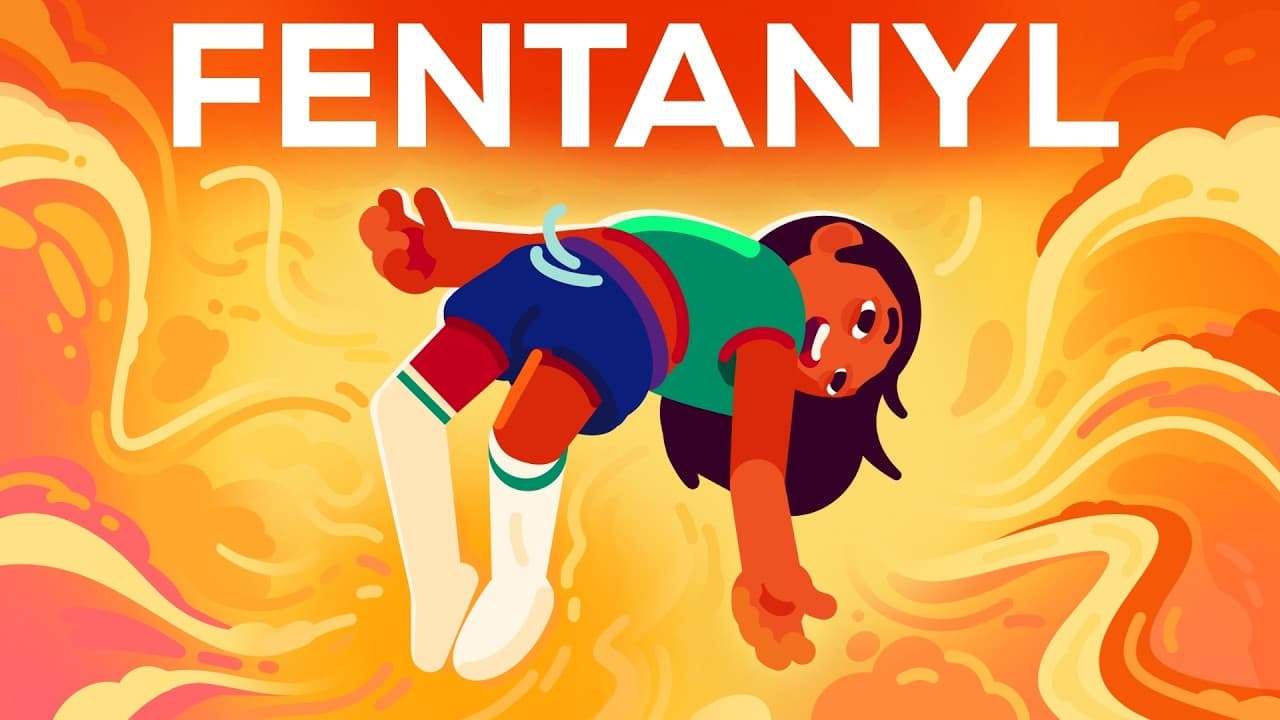
Fentanyl is an inferior opioid compared to heroin, despite its potency, offering less pleasure but being far more dangerous and addictive. It is considered the 'dumbest drug' to ruin one's life for, often killing people who are not even Fentanyl addicts.
Pain and pleasure are fundamental forces guiding survival, with pain signaling harm and pleasure encouraging beneficial actions. The body uses opioid receptors, activated by natural opioids like endorphins, to reduce pain and create good feelings locally and mildly.
Heroin rapidly activates opioid receptors throughout the body, creating an intense 'supernova of pleasure' that floods the user with bliss, eliminates pain, and induces a state of calm and serenity. This initial experience is profoundly amazing, but it irreparably 'fries' the brain's reward center, leading to a relentless pursuit of that initial, unrepeatable peak.
Opioids are incredibly addictive; after a few uses, the brain's pain and pleasure systems become hyperactive due to constant stimulation, developing tolerance. Withdrawal, or the 'supernova of pain,' involves intense negative emotions, anxiety, physical aches, gastrointestinal issues, and an overwhelming craving, which can last up to two weeks, driving continued opioid use to avoid suffering.
Fentanyl is approximately 50 times more potent than heroin, crossing the blood-brain barrier almost instantly but with a high that fades in minutes, unlike heroin's six-hour duration. It offers a less pleasurable experience, mostly causing users to 'nod away,' yet it induces even more severe withdrawal symptoms and is significantly more addictive due to its rapid action on the brain's reward center.
Fentanyl is a 'drug dealer’s dream' because it is cheap to produce, easy to smuggle, and requires minimal space compared to heroin. This has led to Fentanyl largely replacing heroin in the illegal drug supply, making it readily available even though most opioid users prefer to avoid it.
Fentanyl's deadliness is exacerbated by dealers mixing tiny traces into other drugs to increase addictiveness, often without users' knowledge. This practice has turned the US drug market into a 'minefield,' where any illicit drug can contain a lethal dose, leading to accidental overdoses, particularly among individuals who have never knowingly consumed opioids. Fentanyl-laced pills and stimulants like cocaine and meth account for a significant portion of overdose deaths.
Fentanyl offers no upsides outside of medical use, representing easy profit for cartels but a worse addiction and life for users, and a potential death sentence for unsuspecting individuals. Using any opioids, especially Fentanyl, massively increases the risk of death, urging individuals to avoid the initial 'supernova of pleasure' to prevent the inevitable 'supernova of pain'.
Understanding complex issues like Fentanyl requires looking at all sides and thinking critically about information. Tools like Ground News combine global news reporting, allowing users to compare different perspectives, identify biases, and avoid information bubbles, which is crucial for informed decision-making.
If you have the choice, don’t step into the supernova of pleasure – because the danger of it turning into a supernova of pain is just too high.
| Key Insight | Description |
|---|---|
| Opioid Receptor Function | Opioid receptors are neuron keyholes that reduce pain perception and create pleasure when activated by opioid molecules. The body releases natural opioids in tiny, localized amounts for mild, specific effects. |
| Heroin's Initial Effects | Heroin creates an intense 'supernova of pleasure' by flooding opioid receptors, inducing pure bliss, eliminating pain, and generating deep serenity. This experience, while profoundly amazing, irreparably 'fries' the brain's reward center, making future experiences incomparable. |
| Opioid Addiction Cycle | Repeated opioid use leads to tolerance as the brain's pain and pleasure cells become hyperactive, requiring higher doses for diminishing effects. Withdrawal causes extreme physical and emotional suffering, driving continued use to avoid pain rather than seek pleasure. |
| Fentanyl vs. Heroin Comparison | Fentanyl is 50 times more potent than heroin, crosses the blood-brain barrier instantly, but its high fades in minutes compared to heroin's hours. It provides less pleasure ('nodding away') but is more addictive and results in more severe withdrawal and a higher risk of overdose. |
| Fentanyl's Dealer Appeal | Fentanyl is highly profitable for dealers due to its low production cost, ease of smuggling, and small volume needed to supply large markets. This has enabled it to largely displace heroin in the illicit drug supply. |
| Unwitting Exposure and Risks | Dealers intentionally mix Fentanyl into other illicit drugs (e.g., counterfeit pills, stimulants) to increase addictiveness, often without users' knowledge. This practice creates a hazardous drug market where accidental, lethal overdoses are common, particularly for opioid-naive individuals. |
| Fentanyl Fatality Statistics | Fentanyl is the deadliest illegal drug in US history, responsible for approximately 400,000 American deaths between 2013 and 2023. Over 70% of seized Fentanyl pills contain a lethal dose, and many overdoses occur from Fentanyl-laced non-opioid drugs. |