

29 Sept 2025
This discussion offers critical insights into altcoin investment strategies, warning against common pitfalls like excessive diversification and unmanaged holding. It emphasizes the importance of fundamental analysis and macro-economic factors while advocating for a focused approach on Bitcoin and Ethereum for long-term financial growth.
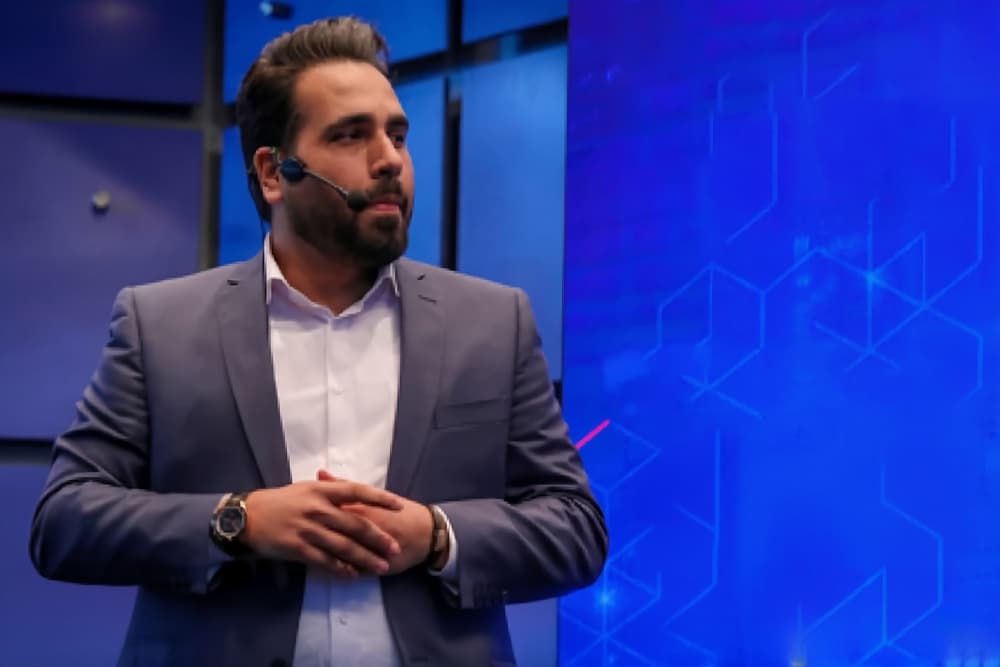
The current discourse around altcoins, 'alt season,' and 'alt parties' requires careful consideration. Financial decisions, especially concerning altcoin portfolios, benefit significantly from critical thinking and personal research, with all advice presented purely for educational purposes rather than as direct financial recommendations.
Past bull runs saw many investors enter altcoin markets driven by FOMO, and while some experienced initial gains, many failed to sell, ultimately facing significant losses due to a lack of exit strategy. The crypto market is fast-paced, with information asymmetry where the market moves at 150 km/h while experts understand it at only 20 km/h, further challenging unprepared investors.
Essential fundamental aspects like use case, revenue, and tokenomics must be thoroughly examined before investing in altcoins to avoid tokens with inflation rates exceeding traditional currencies. Additionally, understanding broader macro-economic factors is crucial, as they can significantly impact overall market performance and individual investments.
Diversifying into a large number of altcoins (e.g., 10-20) in the crypto market does not effectively reduce systemic risk because these assets are highly correlated and tend to move together. This approach actually lowers potential returns and frequently leads to decision paralysis for investors due to the overwhelming amount of information to process daily.
The strategy of 'holding' (HODLing) is typically effective for real-world assets with a clear exit strategy but is often misapplied in crypto, especially with numerous altcoins. This typically results in increased stress, emotional regret (like PTSD symptoms), and ultimately the loss of capital, as investors often hold past break-even points hoping for further gains that never materialize.
Exiting altcoin positions, even if profitable, can lead to 'post-traumatic stress disorder' (PTSD) symptoms from regret if the price rises later. Comparing a personal portfolio to generalized market charts, which often show significant gains, creates a distorted perception of missed opportunities, intensifying emotional distress.
Focusing investment on one or two key assets like Bitcoin and Ethereum is highly recommended. These assets offer greater stability and have established options markets that enable effective risk management. Bitcoin, in particular, is highlighted as the asset that maintains its value in the long term.
Dollar-Cost Averaging (DCA) into Bitcoin is a simple yet powerful strategy for long-term financial growth, even for those with limited market knowledge. Consistent, small weekly purchases of Bitcoin can lead to substantial wealth accumulation over two years, outperforming complex analytical strategies that often result in losses.
For existing altcoin portfolios, a gradual exit strategy is advised: progressively sell small portions during price increases and convert them into Bitcoin. The options market is presented as a superior risk management tool for both large and small capital, allowing for high leverage without the liquidation risk associated with futures, protecting investors from extreme volatility.
When the number of altcoins in a portfolio increases, risk is not reduced, but rather the portfolio's return is lowered, often leading to decision paralysis.
| Topic | Insight |
|---|---|
| Altcoin Diversification | Diversifying into many altcoins doesn't reduce systemic risk, lowers returns, and causes decision paralysis due to high correlation. |
| 'Holding' (HODLing) Strategy | Ineffective for numerous altcoins; leads to stress, regret, and capital loss due to psychological pitfalls and lack of exit strategy. |
| Fundamental Analysis | Crucial for altcoin selection, focusing on use case, revenue, and tokenomics to avoid high-inflation, problematic assets. |
| Macro Factors | Significant impact on crypto investments; understanding broader economic conditions is essential for informed decisions. |
| Recommended Assets | Bitcoin and Ethereum are preferred due to stability, long-term viability, and availability of risk management tools (options). |
| Investment Method | Dollar-Cost Averaging (DCA) into Bitcoin is a simple, highly effective long-term strategy for wealth accumulation. |
| Risk Management Tools | The options market offers superior risk management compared to futures, allowing leverage without liquidation from volatility. |