
29 Sept 2025
An annual webinar on market outlook and investment opportunities highlighted the inherent risks of altcoin investments, advising caution due to extreme volatility and unmanageable risk. The session strongly recommended focusing on Bitcoin and Ethereum, employing risk management tools like DCA and options strategies to protect capital and mitigate losses effectively.
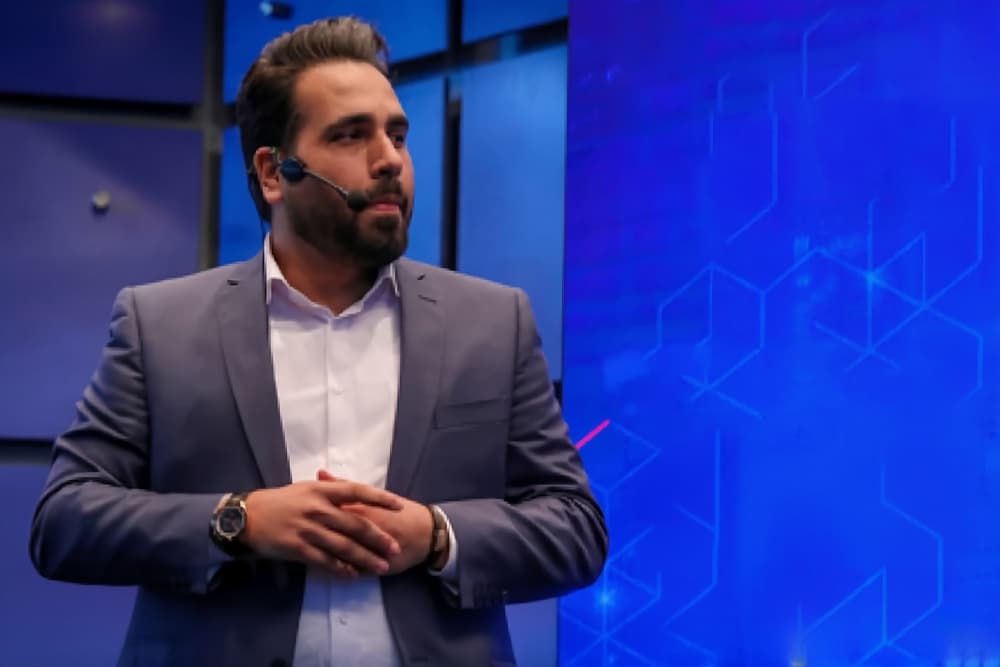
An annual webinar is held to review market prospects and identify investment opportunities, attracting a large number of participants.
The investment analysis process begins with a macroeconomic review to understand potential impacts of factors like interest rates and economic growth, followed by a fundamental analysis to pinpoint altcoin opportunities.
Extensive research, reviewing dozens of portfolios and analyses, culminates in identifying a select list of altcoins, with one instance yielding an eight-item list.
The initial recommendation regarding altcoins is to avoid purchasing them due to their extreme risk profile.
For those inclined to invest in altcoins, it is advised to allocate a small, isolated portion of capital, treating it separately from the main investment portfolio to prevent mismanaging overall risk.
Altcoins are characterized by deadly volatility and numerous ambiguities, making risk management practically impossible, where any success is often attributed to luck rather than predictable analysis.
Investors should not blame themselves for altcoin losses, as the market operates with information asymmetry, giving project owners an inherent advantage over individual investors.
Most investors are advised to adopt a Dollar-Cost Averaging (DCA) strategy for Bitcoin and Ethereum, involving incremental purchases over time.
An options strategy is introduced for Bitcoin and Ethereum, allowing investors to manage volatility and limit potential losses, which is not feasible for most altcoins due to the lack of appropriate tools.
A specific options strategy, referred to as 'Bime Kaseh' (bowl insurance), was implemented for Ethereum; this allowed participants to incur zero loss despite a market drop that saw Ethereum's price fall by 30%.
While direct holders of Ethereum experienced a 15% loss during a market downturn, those who utilized the options strategy successfully managed their risk, resulting in zero losses.
Experienced traders could have used advanced techniques like 'roll down' to further optimize their positions and potentially increase their Ethereum holdings during the market drop.
Investing in Bitcoin and Ethereum offers better opportunities for risk minimization and gradual asset growth for those seeking less market engagement, allowing for managed participation in market trends and crash protection.
A hybrid strategy combining time- and price-based DCA with options for a portion of the capital is suggested for different investor profiles, including those with less market expertise.
Profit is not solely defined by an increase in capital but also by the successful minimization of losses, which is a crucial aspect of sound investment.
True profit in investment is not merely about increasing capital, but significantly about minimizing losses, especially in volatile markets.
| Asset Type | Risk Profile | Volatility Management | Recommended Strategy | Outcome Example |
|---|---|---|---|---|
| Altcoins | Extremely High & Unmanageable | Difficult/Impossible due to inherent ambiguities and lack of tools | Avoid buying; if buying, isolate minimal funds for 'play money' | High likelihood of significant losses; success often attributed to luck. |
| Bitcoin/Ethereum | Moderate to High (but manageable) | Possible with structured strategies and options tools | DCA (Dollar-Cost Averaging) and/or Options strategies (e.g., 'Bime Kaseh') | 0% loss in Ethereum during a 30% market downturn using options strategy; direct holders lost 15%. |