

10 Oct 2025
The iPhone Air emerges as Apple's slimmest smartphone to date, aiming to redefine thinness while competing with devices like the Galaxy S25 Edge. Priced at $999, it offers a distinct ergonomic experience but introduces trade-offs in camera versatility, raw performance, and audio quality compared to other flagships.
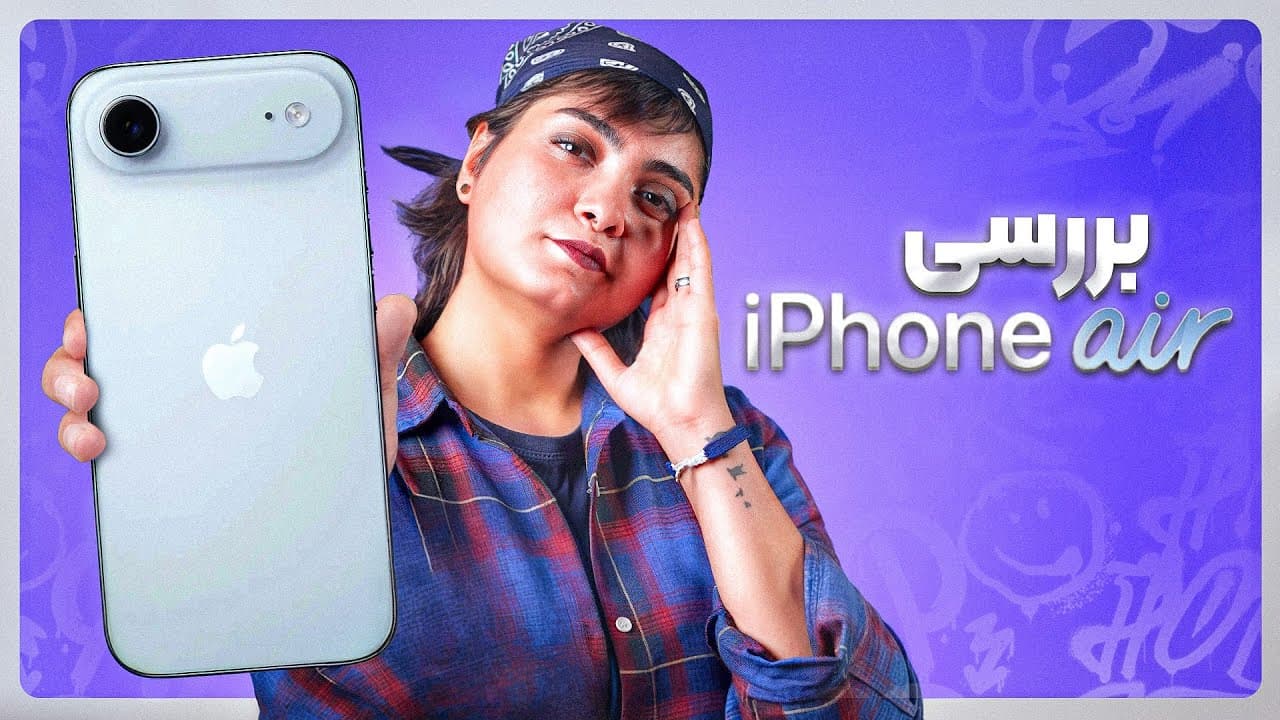
The iPhone Air is Apple's slimmest smartphone, designed to succeed the iPhone 16 Plus and directly compete with the Galaxy S25 Edge by showcasing true thinness at 5.6 millimeters.
Priced at $999, the iPhone Air is approximately $200 cheaper than the S25 Edge but more expensive than the iPhone 16 Plus, reflecting a premium for its innovative, ultra-thin form factor.
The iPhone Air boasts a 5.6mm thickness, featuring a highly comfortable polished titanium and Ceramic Shield glass build, which, despite not feeling as premium as expected, provides an excellent and unique in-hand experience with balanced weight distribution, weighing 165 grams.
It features a 6.1-inch OLED display with good resolution, ProMotion technology, and approximately 460 PPI, offering sharp, detailed visuals and excellent brightness up to 3000 nits, protected by Ceramic Shield 2.
The device exclusively uses Face ID for security, which functions as Apple's fast and reliable mobile security standard, without incorporating a physical fingerprint sensor.
The iPhone Air features a single 48-megapixel main camera, identical to the iPhone 17's primary sensor, offering good detail, wide dynamic range, and satisfactory low-light performance with a 2x crop that closely mimics optical zoom, despite lacking ultra-wide and telephoto capabilities.
Its 18-megapixel selfie camera includes the 'Center Stage' feature, enabling both horizontal and vertical shots with automatic framing adjustments, which is highly practical for group selfies and video calls.
Powered by an A19 Pro chip with one deactivated GPU core, the iPhone Air demonstrates leading single-core CPU performance but experiences significant GPU throttling under sustained load to manage heat, resulting in average multi-core GPU performance compared to other flagships.
Due to the ultra-slim design, the iPhone Air lacks a vapor chamber, and its titanium frame is less efficient at heat dissipation than aluminum, though daily use shows no bothersome overheating thanks to performance throttling.
Equipped with 12GB of RAM, optimized by iOS 26, the device is well-prepared for future Apple Intelligence features, with iOS 26 introducing 'Liquid Glass' UI elements that, while modern, occasionally impact readability and fluid performance.
Despite initial concerns over its thinness, the 3149 mAh battery provides a full day of moderate use and achieved approximately 6.5 hours in mixed tests, performing better than anticipated, though it still falls short in heavy gaming compared to competitors.
The iPhone Air is limited to a mono speaker at the top due to space constraints, resulting in a lack of audio depth for media consumption, though its haptic feedback remains precise and clean, albeit not matching Pro Max models.
The iPhone Air is recommended for users prioritizing an ultra-slim and comfortable device who are willing to accept trade-offs in camera versatility, raw performance, and stereo audio, as the standard iPhone 17 offers better specifications, more cameras, and battery life at a lower price.
While the iPhone Air masterfully redefines smartphone thinness and in-hand comfort, its exceptional form factor necessitates significant compromises in camera versatility, raw performance, and audio quality.
| Aspect | Detail | Implication/Comparison |
|---|---|---|
| Form Factor | 5.6mm thickness, Apple's slimmest phone | Unparalleled ergonomics and comfortable in-hand feel, setting a new standard for slimness. |
| Price | $999 base price | More affordable than S25 Edge but more costly than iPhone 16 Plus, positioning it as a premium for innovation. |
| Materials | Polished titanium and Ceramic Shield glass | Offers comfort and a unique feel, though not always perceived as premium as other flagships. |
| Camera System | Single 48MP main camera (same as iPhone 17) and 18MP selfie with Center Stage | Delivers high quality for a single lens, but sacrifices versatility (no ultrawide/telephoto) and shows noticeable digital zoom degradation beyond 10x. |
| Performance (CPU/GPU) | A19 Pro chip with one GPU core deactivated | Demonstrates dominant single-core CPU performance, but multi-core GPU and stability suffer due to thermal throttling, preventing flagship-level raw power. |
| Thermal Management | Lacks vapor chamber, titanium frame less effective than aluminum for heat dissipation | Manages heat effectively in daily use by actively throttling performance, preventing user discomfort but sacrificing raw power. |
| Battery Life | 3149 mAh battery capacity | Exceeds expectations for its thinness, offering a full day of moderate use and approximately 6.5 hours in mixed tests. |
| Audio | Mono speaker at the top (earpiece acts as speaker) | Lacks depth for media consumption and may lead to missed calls in noisy environments due to space constraints. |
| Overall Value | Ideal for users prioritizing extreme thinness and comfort | The standard iPhone 17 offers better specifications, more cameras, and battery life at a lower price, presenting a strong alternative for broader appeal. |