

20 Oct 2025
iOS 19 is positioned as a critical release for Apple, aiming to address its perceived lag in the competitive AI landscape. This update is expected to introduce a significant design overhaul, heavily influenced by VisionOS, alongside transformative artificial intelligence capabilities.
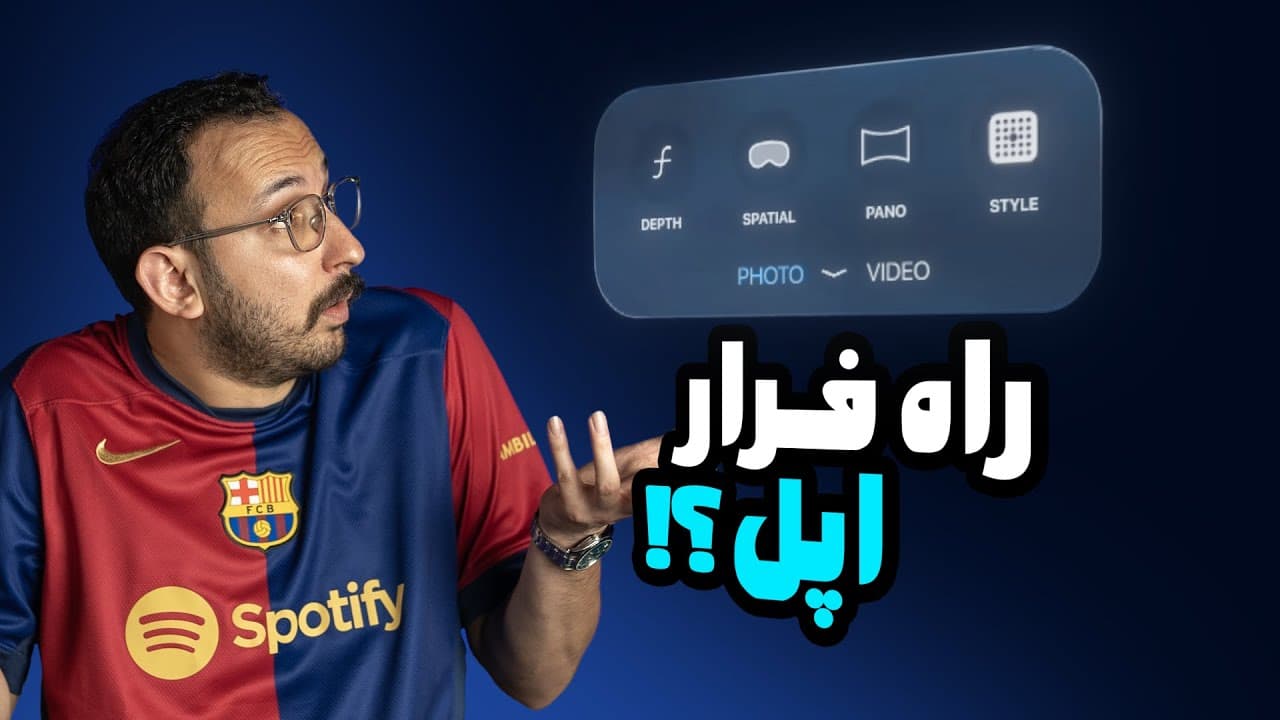
iOS 19 is anticipated to be a major turning point for Apple, crucial for addressing its current challenges and perceived stagnation in innovation, especially concerning AI advancements by competitors.
Apple is expected to unveil iOS 19 and other software updates at WWDC 25, scheduled for Monday, June 9th. This event, codenamed 'Solarium', typically focuses on updates for iOS, macOS, Watch, and TV operating systems.
Experts and rumor followers suggest iOS 19 will bring the biggest changes since iOS 7, which significantly transformed the iPhone's design language from a 'real' aesthetic to a new interface.
Apple has been lagging behind competitors like Google and Samsung in AI capabilities, with their offerings such as Gemini and Galaxy AI providing more advanced and useful features than Apple's current AI.
Apple's long-standing strategy involves observing emerging technologies and successful innovations from other companies, then integrating or acquiring those capabilities to enhance its own products, rather than being first to market.
The overall design of iOS 19 is expected to mirror VisionOS, featuring a combination of matte, glass, and gradient modes, characterized by frosted glass icons and rounded elements throughout the interface.
Notifications on the lock screen will feature rounded edges, a raised appearance, a matte, glass-like texture, and subtle shadows, creating a separated state that enhances visibility.
There is speculation about icon design, with some suggesting they will become circular like VisionOS, while others believe they will retain their current rounded-edge shape to maintain Apple's consistent aesthetic across devices like iPhones and MacBooks. A rumored middle-ground suggests icons become a 'curved round' when interacted with.
The Control Center will adopt the glass theme, with elements like the music and light bars featuring a rounded design.
In the Messages app, icons and other elements will incorporate the round, glass-like design, separated from the background with light shadows and blur effects.
While keyboard buttons are not expected to become fully rounded to avoid user disruption, the top edge of the keyboard will feature the new rounded, glass theme with light shadows separating characters from the background.
System messages, such as Wi-Fi connection prompts, and general notifications will also adopt the round, glassy, blurry aesthetic with light shadows, appearing in the middle of the screen.
The bottom toolbar in the App Store and the options bar in the Call app will be rounded and appear separated from the main screen, housing icons within this distinct round bar.
A search bar will be consistently available at the bottom of different sections within the OS, embodying the round, glass, light shade separator theme.
The camera app will be redesigned to make more efficient use of the display; the previous black menus at the top and bottom will be replaced by a glass lens-like menu that pops up, allowing more of the camera's image to be visible.
Apple has promised a highly intelligent Siri, potentially launching with iOS 19 or later (post-2026), that will function as a chatbot, capable of accessing the phone screen, analyzing RAM, and gathering user data to perform complex tasks based on context.
Apple is expected to introduce Apple Health Plus, an AI-powered assistant that acts as a personal sports coach. It will analyze data from Apple Watch (e.g., calories) to generate personalized meal and exercise plans.
A significant AI feature anticipated for AirPods Pro is intelligent simultaneous translation, allowing users to have conversations in different languages with real-time audio translation delivered to their ear.
iOS 19 is likely to be available for all iPhones that received iOS 18, including the iPhone Xs and Xr series, though some of the more complex, advanced AI features may be exclusive to newer models, similar to current intelligence feature limitations on older devices.
Apple likely knows it needs to unveil something that can make up for its current AI lag, adopting a strategy of observing successful innovations and integrating them into its ecosystem.
| Key Aspect | Description |
|---|---|
| iOS 19 Significance | Represents a pivotal moment for Apple to address its AI lag and perceived stagnation, offering the most significant changes since iOS 7. |
| Core Design Philosophy | Adopts a VisionOS-inspired aesthetic featuring matte, glass, gradient, and rounded elements across the user interface. |
| Advanced Siri Capabilities | Siri is expected to evolve into a powerful chatbot with deep phone access and data analysis, anticipated to be the best on a phone (timeline post-2026). |
| Apple Health Plus | An AI-powered personal coach providing tailored meal and exercise plans based on Apple Watch health data. |
| AirPods Pro Translation | Introduction of intelligent simultaneous translation for live conversations, enabling seamless multilingual communication. |
| WWDC 25 Codename | The event where iOS 19 will be unveiled is codenamed 'Solarium', aligning with the new glass-centric design theme. |
| Device Compatibility | All devices supporting iOS 18 are expected to receive iOS 19, but advanced AI features might be restricted to newer iPhone models. |