
5 Nov 2025
This guide offers essential advice for first-time motorcycle buyers, addressing common questions about choosing a suitable bike. It covers various motorcycle styles, budget considerations, and maintenance costs, emphasizing practical steps for a well-informed purchase.
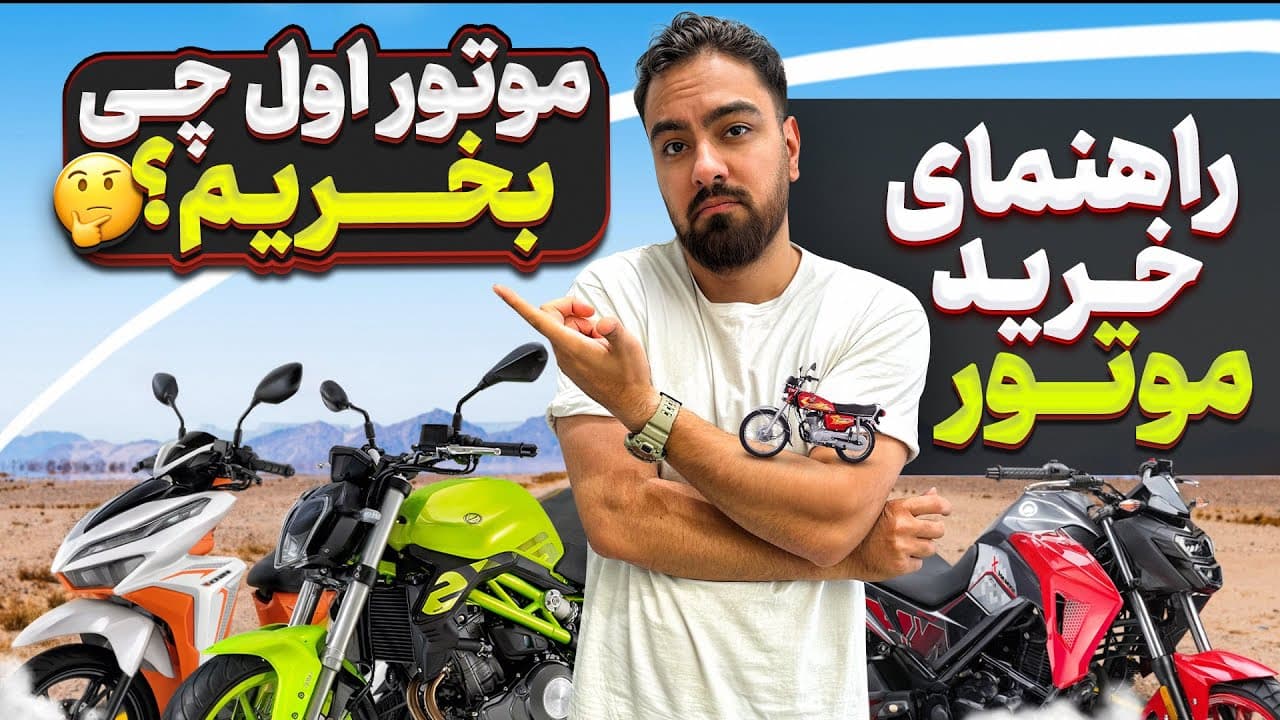
Common dilemmas of new riders, especially those unfamiliar with motorcycle types, are addressed, offering foundational principles for entering the motorcycle world.
Motorcycles are classified into automatic (scooters, power scooters) and manual (naked, street, race, café racer/scrambler/neo-retro, adventure, cruiser) types.
Scooters are easy-to-ride options with gas and front brake, suitable for daily commutes, while power scooters feature larger engines and more power.
Different manual styles include Naked for an aggressive look with a gear shifter and clutch; Street bikes for simplicity, suitable for work/family (like CG or Boxer); Race bikes with a forward-leaning posture, less comfortable for daily use; and styles such as Café Racer, Scrambler, or Neo-retro, which provide more comfort for extended rides due to rider ergonomics, chassis design, and softer seating. Adventure and Cruiser types are also mentioned for travel and specific aesthetics.
First-time buyers should determine their suitable riding style *before* focusing on specific models or asking 'what to buy'.
The maximum street-legal engine size in Iran is 250cc; there is no strict rule for first-timers regarding engine displacement, as skill acquisition varies by individual.
Not overspending on a first motorcycle is recommended to mitigate financial loss in case of accidents or damage during the learning phase.
Choosing a first motorcycle that is not excessively heavy, ensuring it is easy to maneuver and forgiving, is crucial for novice riders.
Heavy, powerful 2-cylinder 250cc motorcycles (e.g., Benelli 250) are generally too challenging and expensive for first-time riders.
Motorcycles like the TNT 150 are suggested as suitable options, praised for their affordability, ease of handling, and manageability for new riders.
When transitioning from a scooter to a manual motorcycle, the choice depends on budget and the rider's preferred manual style (e.g., street, naked, cruiser).
For older or less patient individuals seeking ease and traffic navigation, automatic scooters are recommended. For younger riders willing to undertake a learning challenge, manual bikes are suggested, noting that mastering gears and clutch is a valuable skill and transitioning from manual to automatic is easier.
Prioritizing models with better parts availability and aftermarket support is advised, citing QJ's longer market presence as an advantage over newer alternatives.
If budget constraints necessitate buying a new, unbranded motorcycle (under 200 million Toman), choosing models with higher production volumes in the market is recommended to ensure better access to spare parts and repair services.
For budgets under 200 million Toman, purchasing a used, quality branded motorcycle (e.g., SYM Fiddle, SF) is preferred over a new, unbranded 'tereh' bike, as the used option often provides superior quality and riding experience after minor refurbishment.
Simple, durable, and low-maintenance motorcycles (e.g., CG or Boxer types) are recommended for daily commuting, citing their low hassle and cost-effectiveness.
The critical importance of considering long-term maintenance costs and depreciation, not just the initial purchase price, is stressed, as ongoing expenses for a high-value motorcycle can be substantial.
Potential buyers are encouraged to first research available styles, set a budget, and understand market prices; with these initial choices narrowed down, specific model comparisons and tailored advice can then be sought.
Prioritize understanding your needs and the practicalities of ownership—including style suitability, ease of handling, and long-term costs—before making a purchase.
| Insight Category | Key Insight |
|---|---|
| First Bike Selection | Prioritize a suitable riding style (e.g., scooter for ease, street for work) over initial aesthetic appeal. |
| Budgeting & Risk Management | Avoid excessive spending on a first motorcycle; opt for affordable models to minimize financial impact from learning-related damages. |
| Handling & Weight | Choose lighter, easily maneuverable motorcycles for a smoother and safer learning curve. |
| Engine Size for Beginners | No strict rule exists, but a 150cc bike is generally recommended for beginners in Iran due to legal limits and manageability. |
| Automatic vs. Manual | Scooters are ideal for older or impatient riders seeking ease of use; manual bikes are for younger, challenge-seeking riders to develop skills. |
| New vs. Used Purchase | For limited budgets (under 200M Toman), a quality used branded motorcycle often surpasses a new, lower-quality 'tereh' (unknown brand) option. |
| Total Cost of Ownership | Crucially consider ongoing costs like fuel, oil, parts, and potential depreciation, not just the initial purchase price. |
| 'Tereh' (Unknown Brands) Choice | If budget necessitates a new unknown brand, select models with higher market presence for better spare parts availability. |