

1 Nov 2025
The recent war, marked by sudden onset and widespread impact, brought significant heartache and psychological distress to ordinary people on both sides. Despite the immediate relief of its end, the conflict profoundly changed life, necessitating a renewed appreciation for peaceful moments, human connections, and the importance of resilience and self-care in its aftermath.
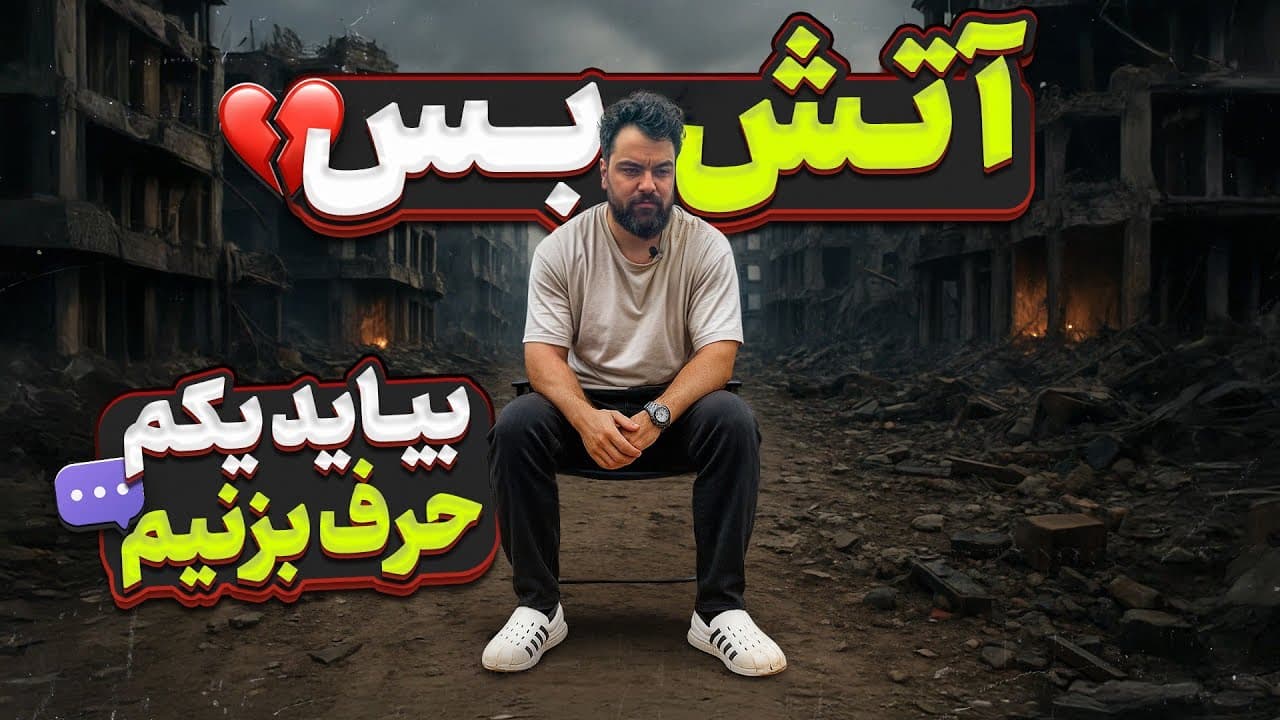
Eating alone on the beach and battling troubling thoughts five to six hours after a fire began, a personal reflection aims to share lessons learned from the war, acknowledge the collective heartache, and address the lasting psychological effects that individuals may struggle to cope with alone.
Deep condolences are extended to ordinary people on both sides who did not choose the war and lost loved ones, including a soldier near Evin Prison. Normal lives were abruptly interrupted by the war, which arrived unexpectedly, causing disbelief.
After seeking refuge from the initial attacks, profound psychological distress, including jumpiness and mental fantasies, stemmed from a loud explosion near a workplace in Tehran. This experience highlighted the unequal nature of the war for ordinary people, as other nations provide shelters and government/insurance support for those injured, while in Iran, economic realities forced people to risk missile strikes over starvation, exposing them to danger without similar protections.
A paradoxical feeling emerged where there was happiness that bombs would no longer fall, yet sadness that life would never be the same. Attempts at coping included distracting the mind with a club and music, and maintaining routine to avoid stress from constant news, but ultimately worry grew for the safety of people in Tehran and beyond.
The war instilled a profound appreciation for pre-war conditions, even those previously complained about, and emphasized the importance of cherishing moments and appreciating people. It highlighted the finality of goodbyes and the chaos that can erupt, such as fights at gas pumps. The primary lesson is that war is universally detrimental, causing immense suffering primarily to ordinary citizens, and necessitates a commitment to continued learning and self-improvement despite the enduring pain and psychological challenges.
Despite personal distress, previous activities and video publishing are planned to resume, acknowledging that internal feelings may be more severe than expressed. A strong emphasis is placed on the necessity of returning to normal life, learning from past events, and overcoming adversity, as life is lived only once. Friends and comrades are advised to seek professional counseling if psychologically affected by the war, recognizing the dangerous, often unseen mental repercussions, and a future filled only with happiness and humor is wished for.
War is not a good thing for any nation because the only people who suffer are ordinary people.
| insight | implication |
|---|---|
| Ordinary people bear the brunt of war. | War is universally detrimental and causes immense suffering to those who did not choose it, regardless of side. |
| War leaves lasting psychological scars. | Individuals experience trauma, jumpiness, and mental distress, necessitating discussion and potential professional support. |
| Life's value becomes clearer post-conflict. | There is a renewed appreciation for peaceful moments, human connections, and the importance of cherishing life's simple aspects. |
| Societies face unequal protections during war. | Governments' varying support structures mean ordinary citizens in some regions must choose between economic survival and missile threats, unlike those with state-provided shelters and aid. |
| Resilience and adaptation are crucial. | Despite profound pain and 'psychotic thoughts,' individuals must strive to continue, learn, get better, and return to normal life. |