29 Sept 2025
Artificial intelligence has profoundly impacted art, serving as a powerful new tool for artists while simultaneously sparking debates about machine creativity and the inherent value of AI-generated works. This discussion explores whether AI can truly create original art or merely imitate existing forms, challenging established notions of artistic expression.
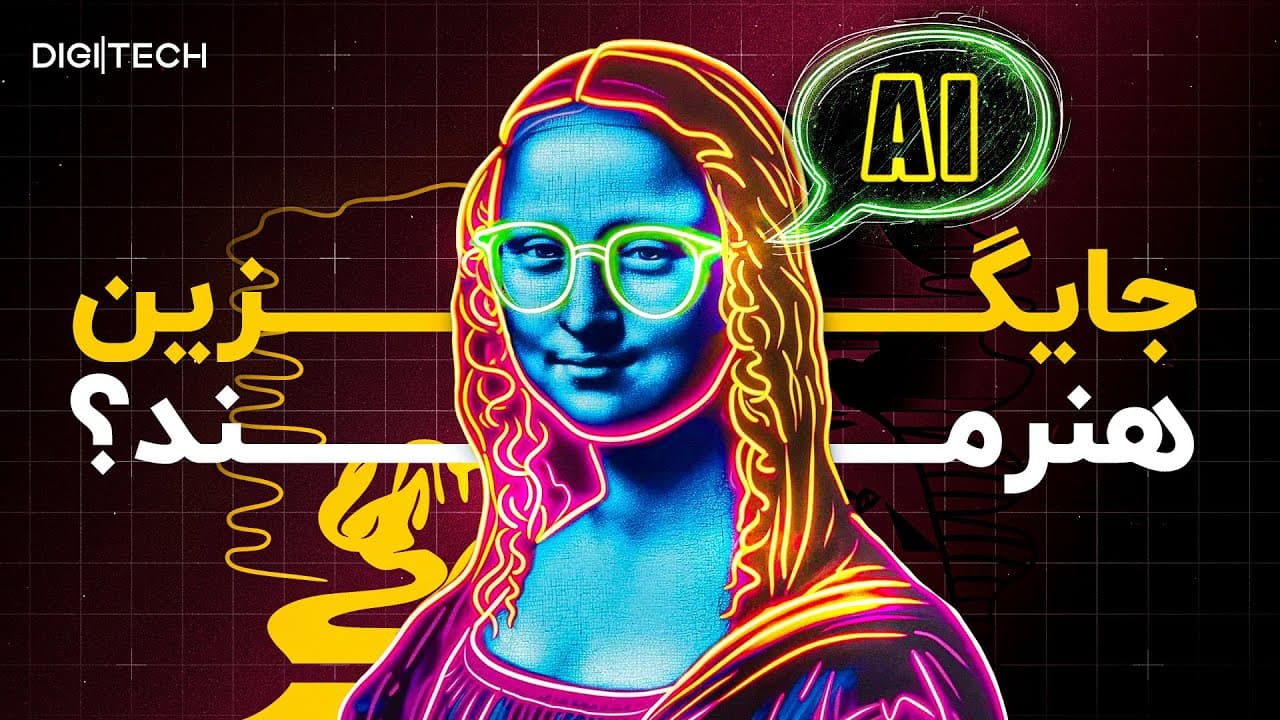
Artificial intelligence, particularly in the last decade, significantly aids artists, functioning as a new tool rather than a threat. Digital artists utilize AI models such as Dolly, Stable Diffusion, Mid-Journey, and ChatGPT to create new works, similar to how painters use brushes or photographers use cameras.
Many contemporary AI models operate on supervised learning, where they are trained on vast datasets and produce outputs by combining elements from previous examples. This process suggests AI's current capabilities involve advanced combination rather than genuine, novel creativity, prompting questions about whether it merely imitates rather long truly innovates.
Art is fundamentally a manifestation of human creativity that expresses emotions, thoughts, and experiences through various formats like painting, music, literature, and sculpture. The definition of art has historically evolved from ancient theories of imitation to modern concepts, embracing multiple interpretations based on the audience's background and reflecting social issues, inspiring change, and shaping identity.
Human creativity involves the ability to break rules and create entirely new styles or genres that defy pre-trained models. While some believe AI remains merely a tool dependent on human input, others contend that sufficiently complex AI models could potentially create new patterns and concepts beyond their initial data, prompting a re-evaluation of what constitutes originality.
The historical evolution of art, where forms like photography were initially rejected but later accepted, suggests that AI-produced works might similarly gain independent artistic recognition in the future. However, the concept of creativity is changing, with critics arguing that machines lack feelings and merely rearrange data without understanding, while others view this rearrangement as innovation. Crucially, an artwork's statement, the underlying idea, and the artist's intent and context are now considered more vital than mere aesthetics, differentiating true art from a machine's output based on a prompt.
A key challenge for the future involves determining whether AI will remain solely a human tool or if it will achieve autonomous creative capacity, potentially establishing new art styles and genres without human intervention. The historical acceptance of once-controversial forms like electronic music indicates that AI-generated art could follow a similar path, leading to exhibitions and awards, but the ultimate question remains whether the human artist will retain their foundational value as the primary creator.
Art is now defined by the underlying idea and the artist's explanatory statement, which imbues the output with crucial context and value, rather than purely by aesthetics.
| Aspect | Traditional / Human Perspective | AI / Evolving Perspective |
|---|---|---|
| Role of AI in Art | Threat to human creativity; limited to imitation. | New tool for artists, analogous to brushes or cameras, enabling new works. |
| Nature of AI Creativity | Combination of existing data; lacks genuine novelty and understanding. | Capable of independently creating new patterns and concepts if complex enough; rearrangement of data can be innovation. |
| Definition of Art | Manifestation of human creativity, expressing emotions/thoughts; historically tied to aesthetics. | Evolving concept; art is defined by an idea and the artist's statement/intent, transcending mere aesthetics; embraces multiple interpretations. |
| Artistic Value | Required human intention; AI output questioned for purity and inherent value. | Possible future acceptance of AI-produced works as independent art, similar to photography's evolution; the statement and underlying idea are paramount. |
| Future of Human Artist | Creator retains ultimate value and control over art and its meaning. | Challenges the human artist's unique role; AI may eventually create new styles autonomously, questioning the human creator's indispensable value. |