

29 Sept 2025
The Galaxy Z Fold 7 represents a significant leap forward in foldable phone technology, addressing many of the past challenges and delivering a truly 'next level' experience. This updated device offers notable improvements in design, camera, and overall performance compared to its previous generations.
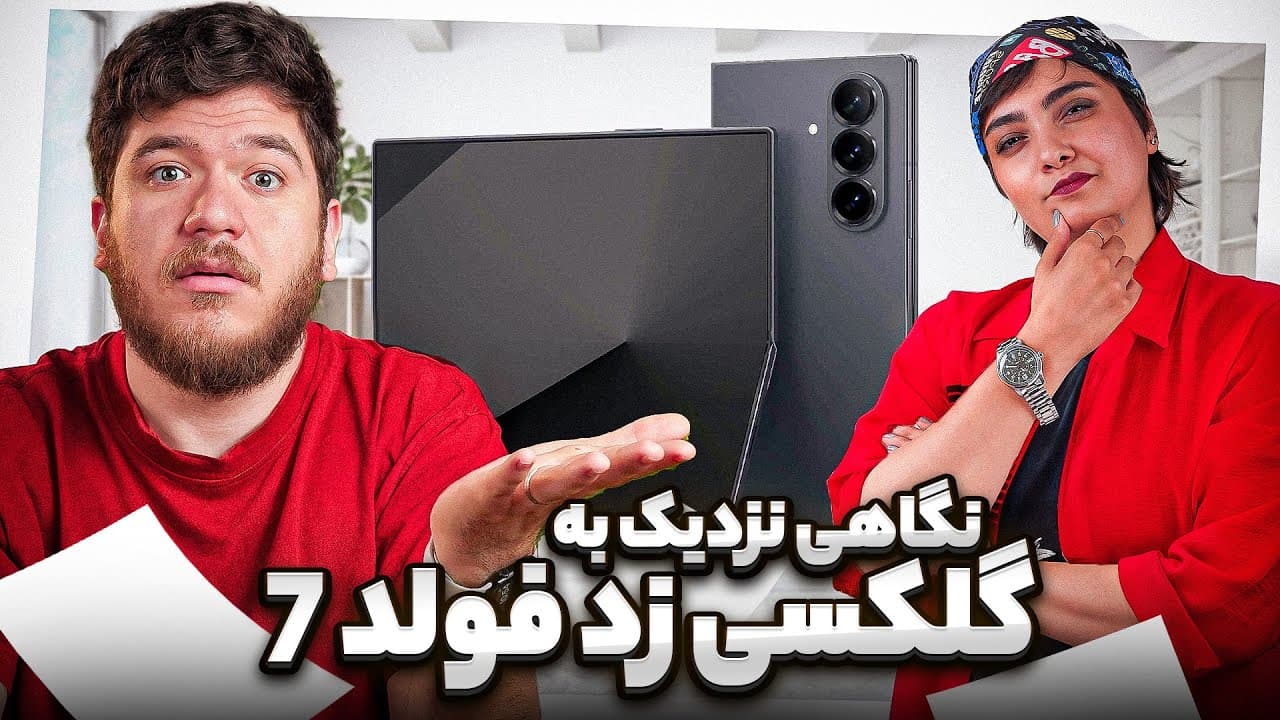
The Galaxy Z Fold 7 has surprised users, as previous foldable phones were often problematic despite their attractive nature; this model, however, marks a significant improvement, representing a 'next level' advancement over its predecessors.
The middle crease on the display is much less visible than in the previous generation, being barely noticeable and difficult to perceive unless the hand is held abnormally.
The phone, when folded, measures 8.6 millimeters and is 4.5 millimeters when open, with a significant weight reduction to 215 grams from the previous generation's 239 grams, making it feel more like a standard phone in hand.
The external display's aspect ratio has changed to 21:9, providing a widescreen experience, unlike the very thin and elongated screen of the previous Fold model.
The internal screen is now 8 inches with a 20:18 aspect ratio, moving away from the previous 4:3 ratio, and the selfie camera has shifted from an under-screen position to a more effective hole-punch design.
The hinge is very stiff, initially feeling unusual but proving beneficial for modes like Flex Mode, requiring some effort to open and close.
The device runs on One UI 8 and Android 16, featuring a fast and clear interface with smooth app switching, and includes a split notification/Control Center accessed by swiping left or right, similar to Xiaomi's previous implementation.
Multitasking capabilities are robust, allowing multiple apps to run in split-screen or windowed modes; however, the software struggles to treat the large foldable display as a single unified screen, causing inconsistencies in icon spacing and wallpaper display.
The main camera is a 200-megapixel sensor, a significant upgrade from the previous 50-megapixel lens, leading to much better photo quality, though the sensor size is slightly smaller to accommodate the phone's thinness. The phone retains a 3X optical zoom.
Foldable phones traditionally suffered from weak camera performance, but the Z Fold 7's 200-megapixel main camera significantly enhances its capabilities, allowing it to be considered a reliable camera phone.
The phone features 12 GB of RAM, upgradeable to 16 GB, with internal storage options including a 256 GB base model and a 1 TB version, powered by the overclocked Snapdragon 8 Elite for Galaxy processor.
Despite its thinness, the phone includes an internal heater to compensate for heat loss, as the Snapdragon 8 Elite processor generates substantial heat, leading to some performance throttling compared to Ultra versions.
The Galaxy Z Fold 7 no longer supports the S Pen, a feature present in some previous foldable generations.
The current market offers limited choices for foldable phones, primarily Samsung models and a few from Motorola, Huawei, and Oppo, making the Z Fold 7 a prominent option.
Given its improved design, better camera, and enhanced chip, the Z Fold 7 is highly recommended over its previous generation, with anticipation for upcoming foldable models in the market.
The device incorporates Gorilla Glass Victus Ceramic for the front display and Gorilla Glass Victus for the back, offering significantly improved protection, although the screen protector now sits less recessed into the frame.
The Galaxy Z Fold 7 is available in several colors, with blue being highlighted as the most attractive option.
This latest model really has a very, very noticeable difference in design from its previous generation, meaning its good-looking, this elegance, and a better camera and a much better chip.
| Feature | Z Fold 7 | Previous Generation | Improvement |
|---|---|---|---|
| Folded Thickness | 8.6 mm | Thicker | Reduced thickness |
| Unfolded Thickness | 4.5 mm | Thicker | Reduced thickness |
| Weight | 215 grams | 239 grams | Significantly lighter (24g) |
| External Display Aspect Ratio | 21:9 (Widescreen) | Very thin and elongated | More standard and usable screen |
| Internal Display Size/Ratio | 8 inches, 20:18 Aspect Ratio | 4:3 Aspect Ratio | Larger and more versatile aspect ratio |
| Selfie Camera Placement | Hole-punch | Under-screen | Better visibility and quality |
| Main Camera Megapixels | 200 MP | 50 MP | 4x higher resolution, much better photo quality |
| RAM | 12 GB (upgradeable to 16 GB) | Not specified (implied lower) | Higher base and expandable RAM |
| Processor | Snapdragon 8 Elite for Galaxy (overclocked) | Not specified (implied older/less powerful) | Enhanced performance |
| S Pen Support | No | Yes (for Fold) | Removed S Pen functionality |
| Protection | Gorilla Glass Victus Ceramic (front), Gorilla Glass Victus (back) | Less robust materials (implied) | Significantly improved durability |
| Crease Visibility | Much less visible | More visible | Barely noticeable crease |