

29 Sept 2025
This address, delivered extemporaneously during a period of intense pressure, aims to alleviate public mental distress by urging listeners to rise above futile arguments and prepare for anticipated worsening conditions. It dissects the deep societal divisions stemming from historical trauma, profound distrust, vast class disparities, and the detrimental influence of social media, while offering practical financial guidance amidst the turmoil.
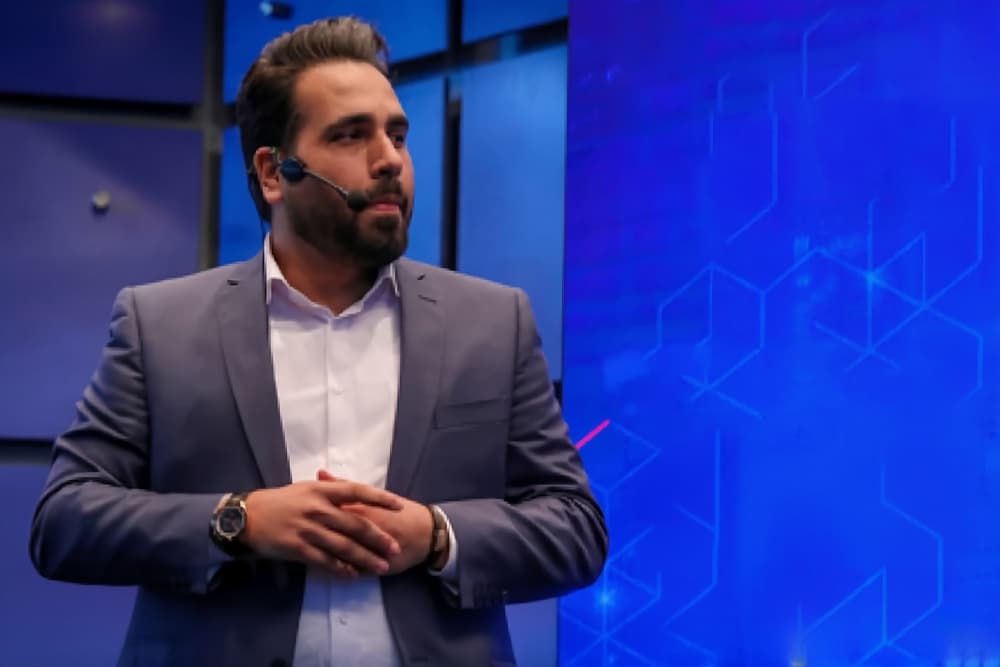
People are urged to rise above intense public arguments and mental distress, as debating the past or assigning blame for the complex geopolitical, ideological, and political decisions that have led to the current 'dead-end street' situation is futile.
Immediate hope for improvement is low, and conditions are likely to worsen regardless of the war's duration or outcome, even with negotiations. Individuals must prepare for a tougher future, as a 'wild card' event is the only potential catalyst for positive change.
Profound societal fragmentation stems from differing historical experiences of war (leading some to trivialise it), widespread public distrust due to perceived hypocrisy and corruption, vast and growing class disparities fueling anger, and social media's negative influence, which fosters superficial displays of wealth and comparison.
'Poster-playing,' or armchair criticism from those in safe positions who call for sacrifice without personal risk, is condemned. Blaming all individuals working within the system, such as police or essential service providers, is inappropriate, as many are simply trying to survive.
Modern warfare, while potentially causing fewer physical civilian casualties due to technology, inflicts severe psychological damage. Prolonged stress, conflict, and internal arguments profoundly impact mental health, especially children's, with long-term consequences.
To cope, individuals should control engagement with stressful topics, avoid constant news consumption, foster understanding instead of conflict, and find small personal joys. Prioritizing one's own and family's mental health, particularly protecting children from trauma, is paramount.
The housing market has entered a deep recession with significantly reduced transactions. Those with substantial housing investments face high risk, with assets potentially becoming illiquid and failing to keep pace with inflation in prolonged difficult conditions.
A dollar exchange rate in the 80,000-90,000 range is an optimal buying opportunity, with silver specifically recommended for investment at 80,000-82,000 (allocating 50% of capital). Dollar Cost Averaging (DCA) is advised for dollar investments, and for physical acquisition of gold and silver, prices in the 80,000-90,000 range are considered favorable, while global ounce prices are not recommended for typical investors.
The Iranian stock market carries high systemic risk, meaning diversification through holding multiple stocks will not reduce overall risk but may lower returns. Long-term investment in Rial-denominated assets is generally deemed risky due to existing systemic issues.
Bitcoin demonstrated resilience by recovering after a dip caused by the conflict. Dollar Cost Averaging (DCA) is recommended for Bitcoin investment, along with strategies involving 'options' and 'insurance' to mitigate uncertainty and manage risk effectively.
Decades of economic pressure, inflation, and continuous stress have fostered exceptional resilience among Iranians. Despite current challenges, Iranians possess deep cultural values, mutual support, and honor that must be preserved from further erosion.
In these dire circumstances, rather than engaging in endless debates about blame, it is crucial to prioritize mental well-being, seek small joys, and protect the psychological state of ourselves and our children from the overwhelming pressures of conflict and divisiveness.
| Key Insight | Description |
|---|---|
| Avoid Futile Arguments | Engaging in debates over the past or blame for current complex situations adds unnecessary mental pressure without resolving fundamental issues. |
| Prepare for Worsening Conditions | The current crisis is unlikely to improve in the short term, requiring individuals to prepare for further deterioration regardless of conflict resolution or negotiations. |
| Recognize Causes of Divisiveness | Societal fragmentation stems from diverse war experiences, deep public distrust, vast class inequalities, and social media's role in promoting superficiality. |
| Prioritize Mental Health | Protect psychological well-being from the overwhelming stress of conflict and constant news, especially for children, as modern warfare's impact is increasingly psychological. |
| Re-evaluate Investments | Housing is a high-risk, illiquid investment; the Iranian stock market has systemic risk. Dollar, silver, and Bitcoin (via DCA) are suggested for managing capital in uncertain times. |
| Embrace Empathy and Unity | Shun 'poster-playing' and understand that many individuals within the system are simply trying to survive. Foster understanding and reduce internal conflict to preserve societal values. |