
29 Sept 2025
Hamed Bedi, CEO of a prominent campaign platform, discusses the severe state of Iran's internet following a 12-day war, highlighting unprecedented disruptions that crippled businesses and public communication. The ongoing restrictions, justified by dubious national security claims, stem from a long-standing governmental agenda to isolate the national information network and are actively resisted by public activism advocating for digital rights.
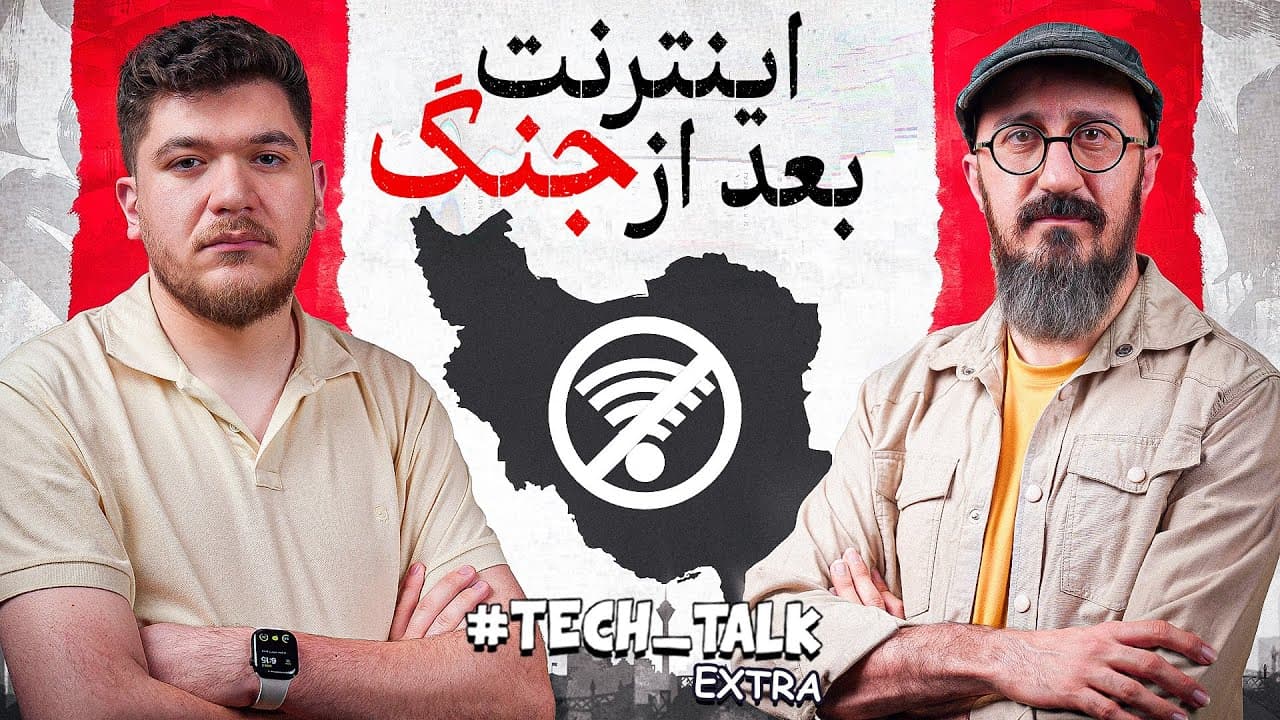
Following a 12-day war, Iran experienced the most severe internet outages, impacting data centers and rendering social media and international messaging unusable for the public and businesses.
Businesses, including the Karzar campaign platform, suffered significant drops in user engagement and operational capacity due to disabled search capabilities, blocked SMS links, and non-functional AI tools, leading to immense economic and communicative challenges.
Officials cited drone usage and WhatsApp as a spying tool, along with DDoS attacks, as reasons for internet restrictions, claims that are technically illogical and serve to control public opinion and media narratives.
Absolute and permanent internet filtering is technically impossible without a complete shutdown, and the existing network infrastructure is compromised by policies prohibiting Western brands, forcing reliance on subpar domestic solutions vulnerable to cyberattacks.
The widespread use of insecure VPNs, driven by filtering, exposes citizens to significant data security risks, while the internet shutdown silences national narratives during crises, contradicting war literature and hindering Iran's ability to communicate its perspective globally.
The Supreme Cyberspace Council's mission has consistently been to create a national information network independent of the global internet, with substantial budgets invested over decades to achieve self-sufficiency and restrict external dependencies.
Public pressure and activism have historically played a crucial role in preventing full internet shutdowns, educating the populace about digital rights, and maintaining some level of internet access, demonstrating society's growing awareness of the internet as a fundamental right.
The internet has been recognized as a basic human right by international human rights organizations since 2016 and is included in Iran's civil rights charter, emphasizing the importance of defending free access.
The filtering policy, far from enhancing national security, actively undermines it by weakening infrastructure, silencing national narratives, and endangering citizens through insecure VPN usage, ultimately becoming an act against national security.
| Topic | Details | Repercussion/Critique |
|---|---|---|
| Pre-War Internet in Iran | Different from the global internet, but operable via VPNs and servers. | Users had adapted to workarounds, and the system was functional. |
| Post-War Internet Disruption | Severe, unprecedented outage; even data centers lost access. Minister's promises of restoration went unfulfilled. | Crippled businesses (e.g., Karzar's 90%+ signature drop), social media, and vital online services. |
| Official Justifications for Filtering | Claims included drones using the internet, WhatsApp as a spy tool, and DDoS attacks. | Deemed illogical and easily debunked; actual aim is public opinion control and reveals poor firewall management. |
| National Infrastructure Vulnerabilities | Policies prohibit the use of global brands (e.g., Cisco, Ericsson), forcing reliance on low-quality, rebranded Chinese hardware. | Network infrastructure is full of security holes, making it susceptible to sophisticated cyberattacks unrelated to general internet access. |
| Filtering's Impact on Security | Forces citizens to use insecure, obscure VPN apps (19 of 20 top downloads from Google Play in Iran). | Poses significant national and citizen data security risks; filtering is considered an act against national security. |
| Government's Internet Strategy | The Supreme Cyberspace Council's mission is to create an isolated national information network, independent of the global internet, with substantial long-term investment. | Aims for permanent restriction, not just crisis control; stratifies digital layers to promote domestic-only technology. |
| Public Activism and Resilience | Collective action (campaigns, tweets, legal awareness) previously prevented widespread internet shutdowns (e.g., the Sianat plan). | Public opinion is a critical check on government policies; sustained activism strengthens society and defends digital rights. |
| Internet as a Human Right | Recognized internationally (since 2016) and within Iran's civil rights charter. | Implies a moral obligation to defend internet access; calls for active public support for relevant content and discourse. |