

29 Sept 2025
The need for annual phone replacement is generally refuted, as the optimal upgrade cycle depends heavily on the phone's category, prevailing economic conditions, and individual user requirements. Modern flagship and mid-range devices offer extended usability and software support, minimizing the practical benefits of frequent upgrades for most users.
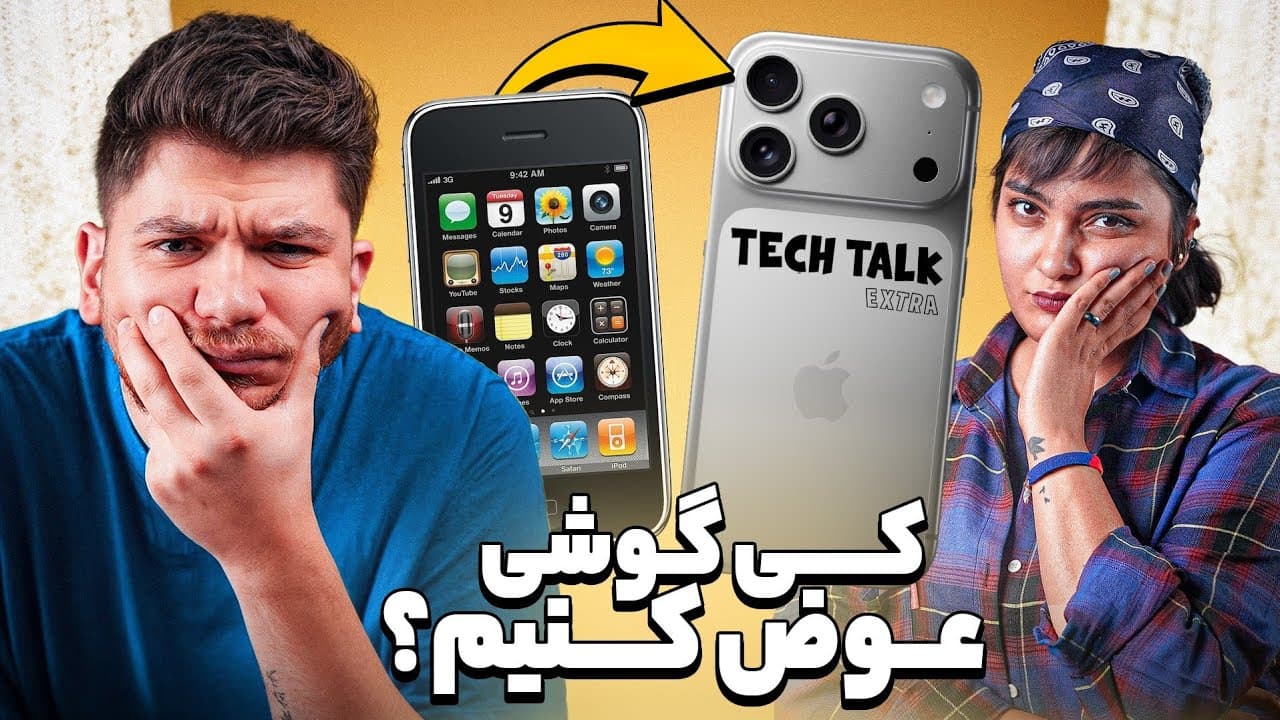
The necessity of annually replacing a phone is generally considered unnecessary, with the ideal upgrade frequency varying based on factors such as phone type (flagship, mid-range, low-end), economic situations, and specific user needs.
Contemporary flagship phones are exceptionally powerful, exhibiting only minor year-over-year specification changes, which makes annual upgrades largely unessential for typical users. These devices typically receive extensive software support, often spanning 6 to 7 years, extending their practical lifespan. Users with specific needs, such as content creators requiring advanced camera capabilities or facing battery degradation after several years, might find a multi-year upgrade cycle (e.g., from iPhone 11-14 to 17, or every three years for iPhone 15/16 Pro users) more appropriate.
Mid-range Android phones do not require annual replacement, with a three-year cycle generally being sufficient for models like Samsung's A5x or A3x series. These phones receive consistent software updates and remain fully usable over this period, especially when users maintain them properly.
Low-end phones are often problematic for younger, active users due to performance issues such as lag, slowness, and low refresh rates. For those on a budget, it is advisable to opt for a second-hand mid-range phone from a previous year, which typically offers superior specifications and a better user experience, rather than purchasing a new low-end device. These phones are more suitable for older users who might have different usage patterns and are less sensitive to minor performance delays.
Economic conditions, particularly in regions experiencing inflation, significantly influence phone replacement decisions. While some advanced users might consider annual flagship upgrades to preserve capital value by selling old models with minimal loss, decreasing purchasing power often renders this strategy unfeasible for the majority. The rising cost of new devices makes frequent upgrades a substantial financial burden.
Extended software updates for flagship phones significantly contribute to their longevity, reducing the perceived need for immediate replacement. The misconception that Android phones universally require a factory reset after a year of updates is addressed; proper device maintenance, including regularly deleting unused applications, managing files, and clearing recent apps, can substantially extend a phone's lifespan and performance without the need for factory resets.
The decision to upgrade a phone should stem from genuine personal necessity rather than adherence to an arbitrary annual cycle. This pragmatic approach focuses on maximizing the utility of existing devices until they no longer meet specific individual or professional requirements.
It's for people who want to make the best use of their money.
| Category | Upgrade Frequency | Main Points |
|---|---|---|
| Flagship Phones (e.g., iPhone, high-end Android) | Every 3+ years (or when specific needs arise) | Exhibit powerful performance, receive extensive software support (6-7 years), show minimal year-over-year specification changes for average users, and often retain good capital value. Upgrading from older models (e.g., iPhone 11-14 to 17) is more justifiable than yearly changes for newer models. |
| Mid-range Android Phones (e.g., Samsung A5x/A3x series) | Every 3 years | Remain fully usable for at least three years, receive adequate software updates, and provide sufficient performance for most users, especially when maintained cleanly. The practical performance gap with flagships is less significant than on paper. |
| Low-end Phones | Avoid for active users; consider used mid-range | Often suffer from lag, slowness, and low refresh rates, making them frustrating for younger, active users. A better budget-conscious option is a second-hand mid-range phone. These are more suitable for older users who may be less sensitive to minor performance issues. |
| General Upgrade Rationale | Based on specific user needs | Replacement should be driven by genuine necessity, such as significant battery degradation, specific camera requirements for content creation, or device limitations for work. Proactive phone maintenance, like managing files and apps, prolongs device life and reduces upgrade pressure. |
| Economic Considerations | Variable, influenced by market conditions | In inflationary environments, some users might upgrade flagships annually as a strategy to preserve capital value by selling older models with minimal loss. However, decreasing purchasing power makes this challenging for the majority, underscoring the importance of value and longevity over frequent changes. |