
5 Nov 2025
Weed is a serious drug with devastating consequences, as approximately 20% of users develop cannabis use disorder and some become severely addicted. Problematic daily or near-daily use, which has skyrocketed, profoundly impacts an individual's social life, career, and mental health, especially in their 20s and 30s.
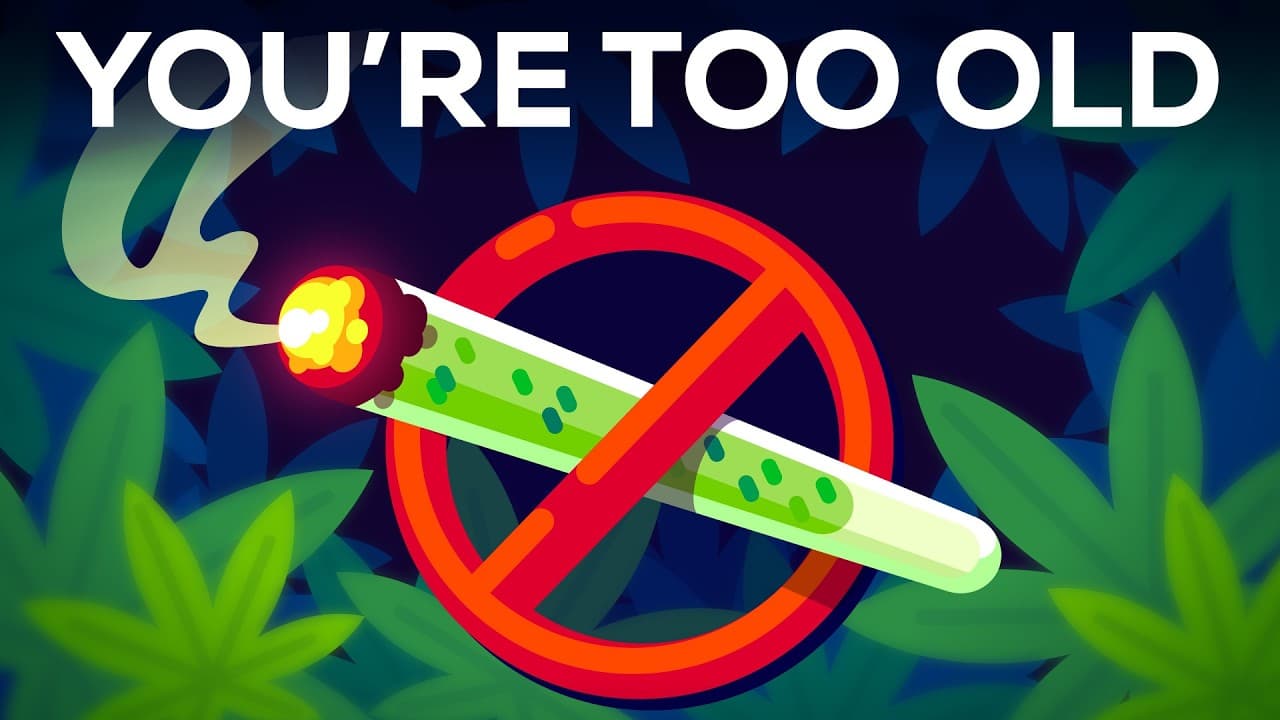
Weed is a serious drug, with about 20% of people who try it developing cannabis use disorder, some becoming severely addicted. In the US, daily or near-daily weed use has dramatically increased, now exceeding alcohol consumption, with 1 in 15 adult Americans suffering from some form of cannabis addiction in 2023. This discussion focuses on individuals with serious addiction or those at risk of developing one, ignoring medical or casual use.
Addiction to weed typically develops gradually and slowly, as individuals start using it for experimentation, coping with stress, or seeking fun due to its ability to enhance sensory experiences. Daily or almost daily consumption is a clear indicator of a developing problem, escalating the risk of cannabis use disorder to up to 30% for regular users and potentially transforming occasional use into an established daily ritual.
A straightforward test for problematic weed use involves attempting to stop consumption for four weeks, starting immediately. If this challenge feels difficult or cannot be met, it indicates a potential problem, as a daily or near-daily habit can lead to profound cumulative damage in one's life.
Weed addiction can mask stagnation in one's 20s, as external life changes and social support often provide a sense of progress. However, spending this crucial period stoned can lead to missed opportunities for physical activity, dating, travel, and building a healthy social life, which are vital for future happiness and personal growth.
Weed addiction undermines social relationships by potentially worsening social anxiety, leading to avoidance of events and making individuals unreliable or flaky friends. By their 30s, as peers prioritize careers and families, chronic users risk becoming incompatible with their social circles, leading to isolation, loneliness, and difficulty forming new connections, which also profoundly impacts their love life and relationships.
Long-term heavy weed use is associated with reduced academic performance, lower income, less savings, and less stable employment, even when compared to individuals from similar backgrounds. Addiction can cause struggles with work productivity, procrastination, missed responsibilities, and a general lack of ambition, resulting in delayed career progression and less personal growth over time.
While weed initially appears to alleviate anxiety or depression, it can damage the brain's emotional regulation system, ultimately worsening these feelings and escalating into serious mental disorders. This can create a cycle of self-medication, impairing coping skills, increasing stress, causing mood swings, and making individuals fragile and easily overwhelmed, although quitting can lead to a noticeable improvement in mental health.
Recognizing and addressing weed addiction is crucial, and while quitting is challenging, it offers a path to a better life. The earlier one quits, the greater the positive impact on their future, and tools like a calendar can aid in tracking progress and alternative achievements to inspire a new life.
There is a whole life out there, waiting for you.
| Aspect | Impact of Weed Addiction | Key Insight |
|---|---|---|
| Addiction Risk | Approximately 20% of users develop cannabis use disorder, with some experiencing severe addiction. | A significant portion of individuals who try weed are susceptible to developing a serious addiction, often without initial awareness. |
| Severity of Daily Use | Daily or near-daily consumption significantly increases the risk of cannabis use disorder to up to 30%. | Consistent weed use, particularly daily, is a strong indicator of a developing problem that can lead to profound cumulative damage over time. |
| Social Life in 20s and 30s | Worsens social anxiety, leads to unreliability, isolation, and incompatibility with non-using friends. | Weed addiction erodes social connections, making it harder to maintain friendships, form new ones, and sustain romantic relationships as life progresses. |
| Career and Achievement | Associated with reduced academic performance, lower income, less savings, and unstable employment. | Chronic weed use hinders productivity, fosters procrastination, and accumulates missed opportunities, significantly delaying career and personal growth. |
| Mental Health | Initially calms, but ultimately damages emotional regulation, worsening anxiety, depression, and coping skills. | Weed can create a deceptive cycle where initial perceived benefits give way to impaired emotional regulation and exacerbated mental health issues. |
| Overall Life Fulfillment | Leads to stagnation, fewer experiences, and lower life satisfaction across personal goals, social life, and career. | Spending peak years under the influence can result in profound regret and a life less rich and fulfilling than it could have been. |